Original Interview Date: 03/2025
Over the past year I’ve focused on the local haunts musicians, musicals, and music fans call home and fill with the warmth of audible expression, however in 2025 I will be delving into the musicians who fill those haunts, and leave memories like ghosts in the stones of the structures that represent the local scene. Much like these venues, each musician possesses their own personality and motivation, and I think it’s important to speak of that motivation. Artistic expression allows us to explain ourselves when words fail, beyond monogamous means. As a creative person who often unearths inspiration from pieces of existence outside of the medium I am utilizing at the time, I have always been intrigued by what causes someone to tick. What moves their mind, what must be torn down to rebuild something beautiful, and what keeps us progressing forward when so much of our reality is aimed at the opposite goal? Expression seems easy in the days of the social media blitz, but to truly connect with others in a world run on separation, especially when that connection is formed from something that only exists because of an artist's hand, mind, and the electric space between the two it’s nearly worth worshipping…or at the very least worth attempting to understand better.
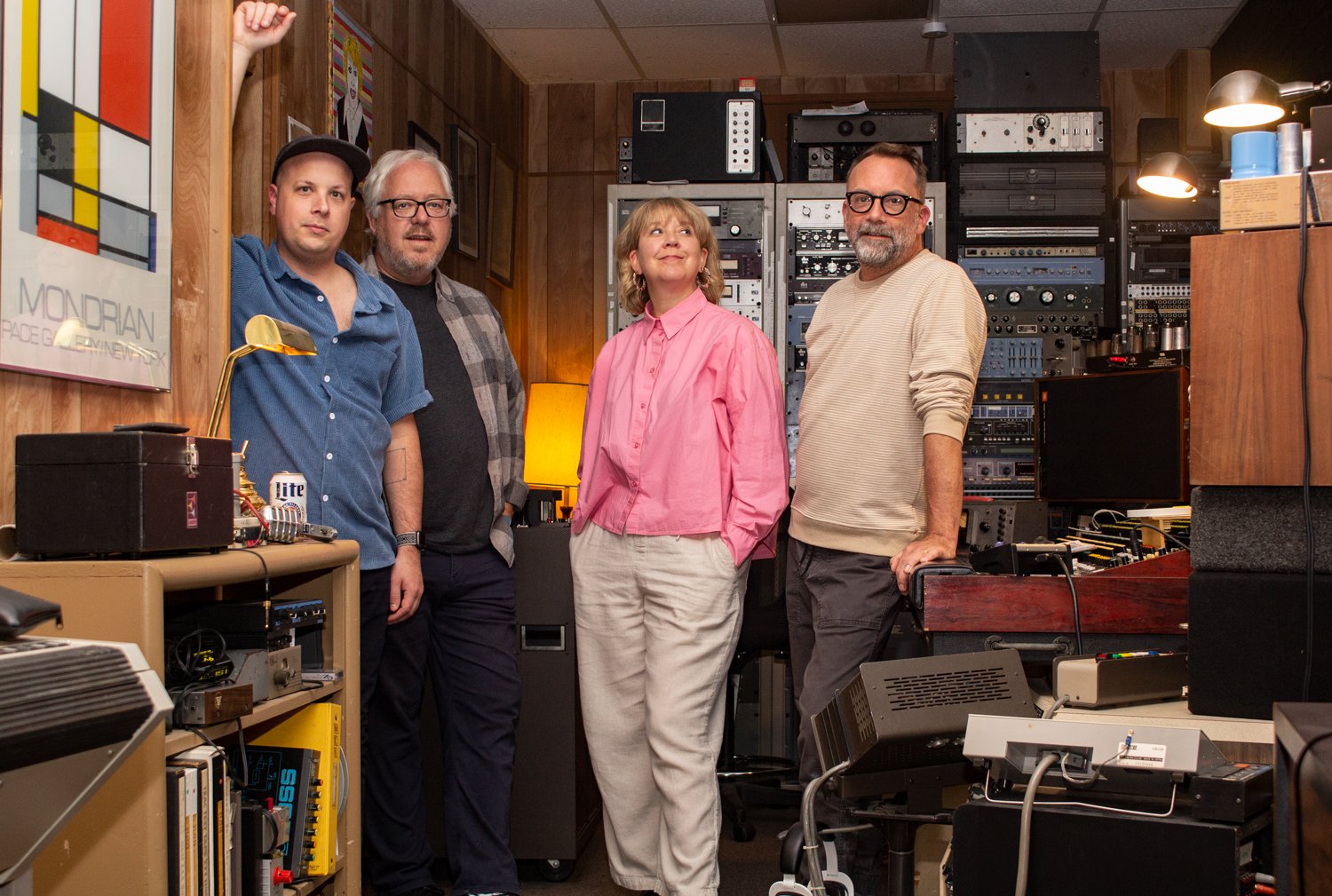
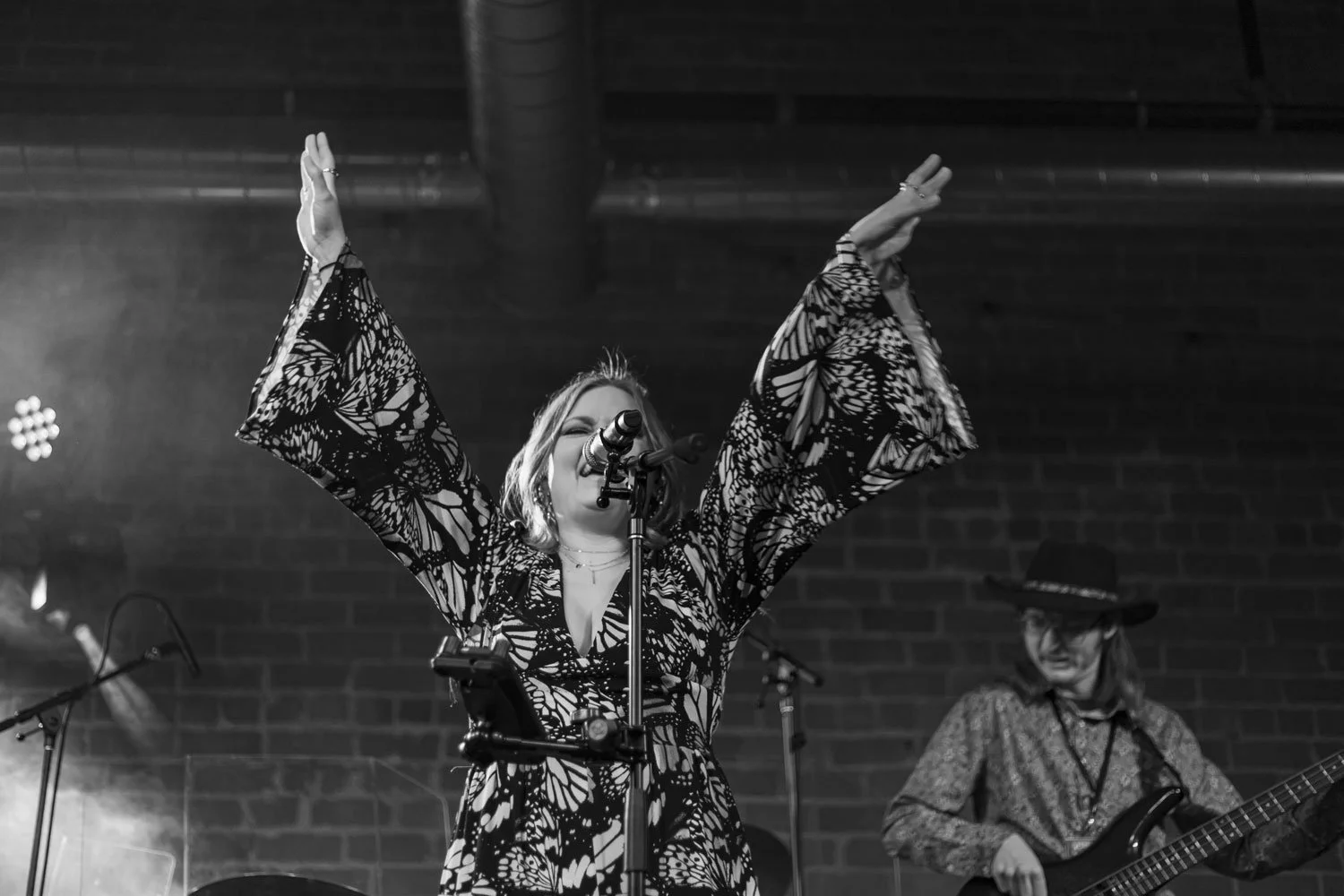
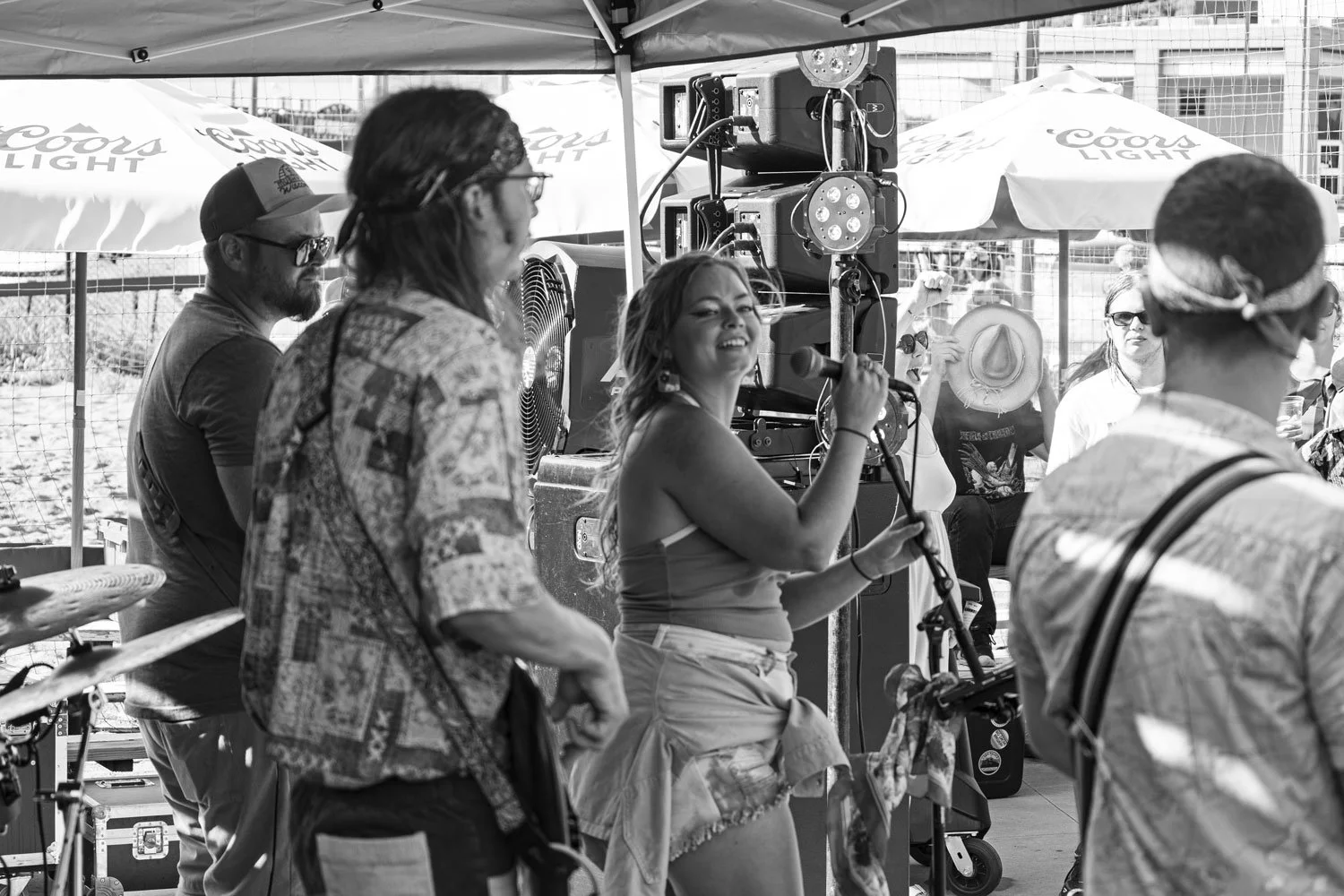
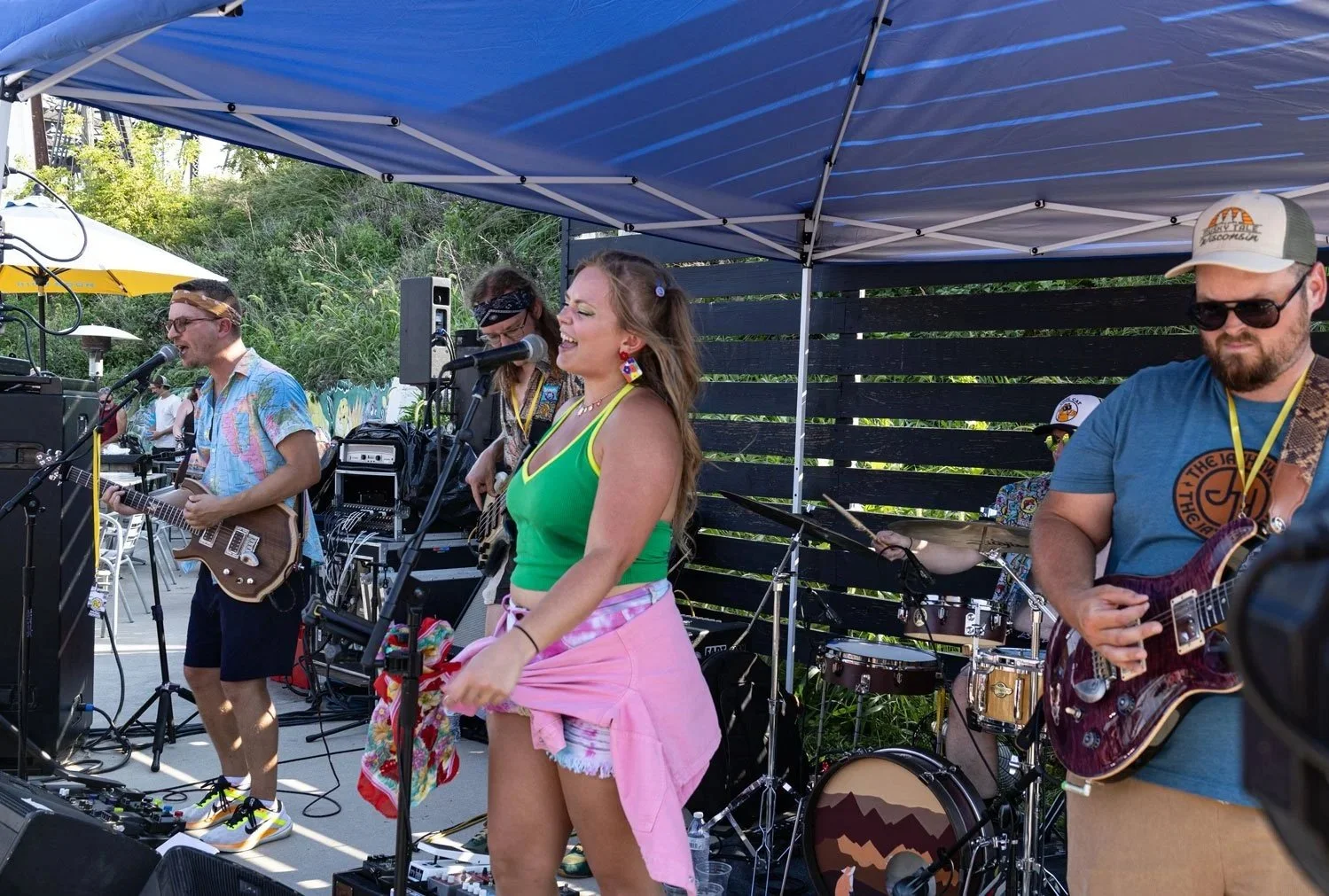
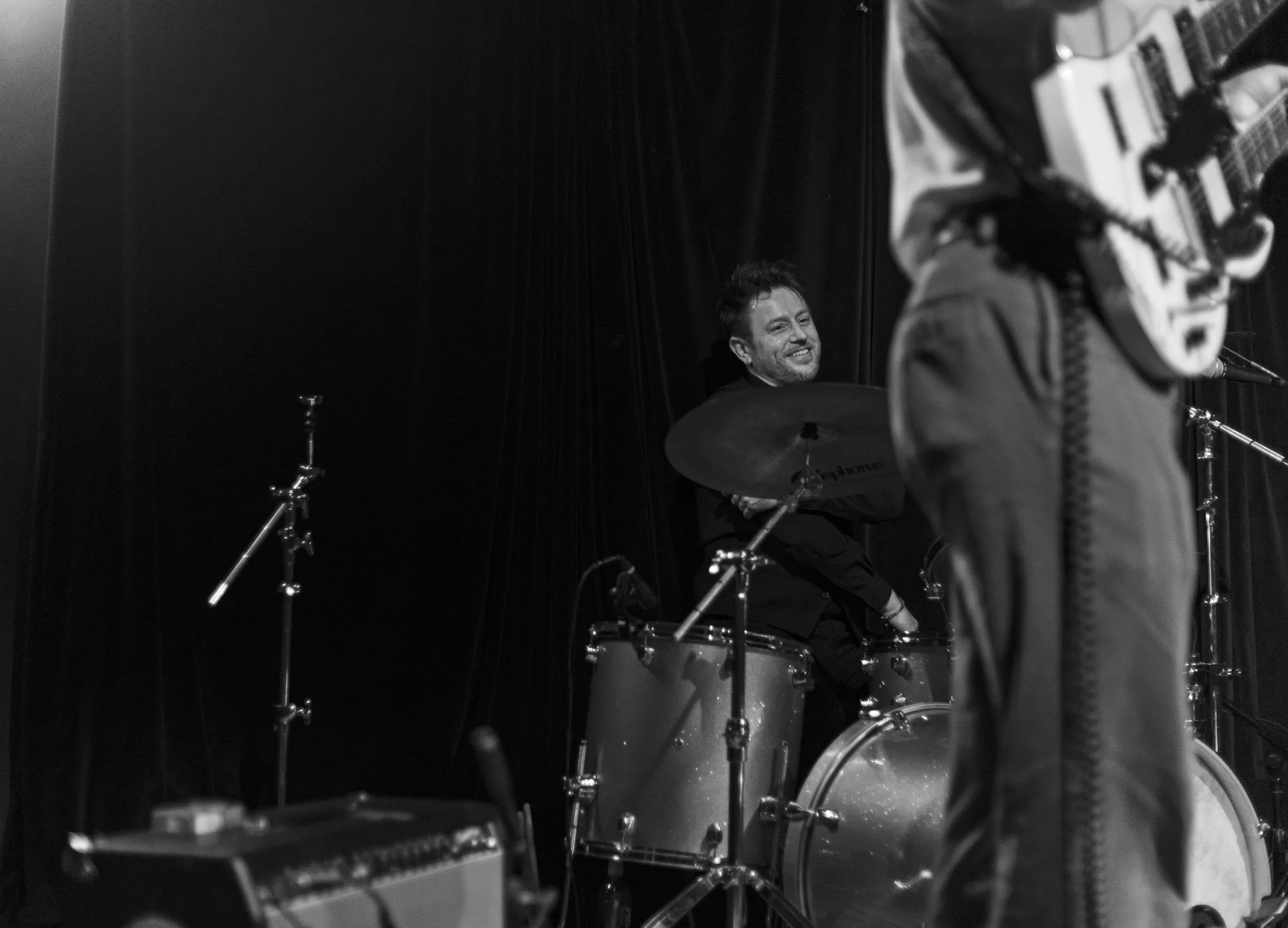
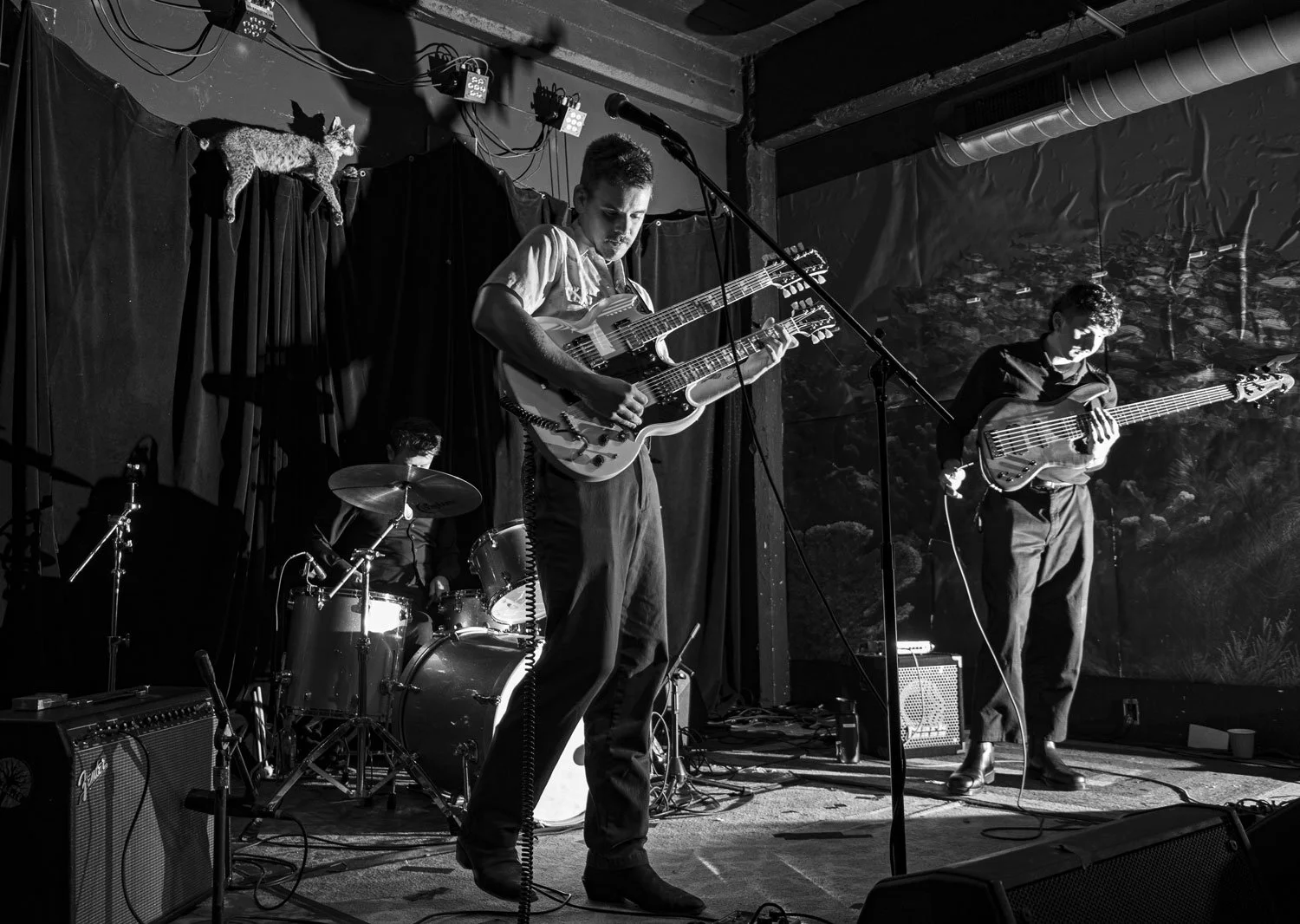
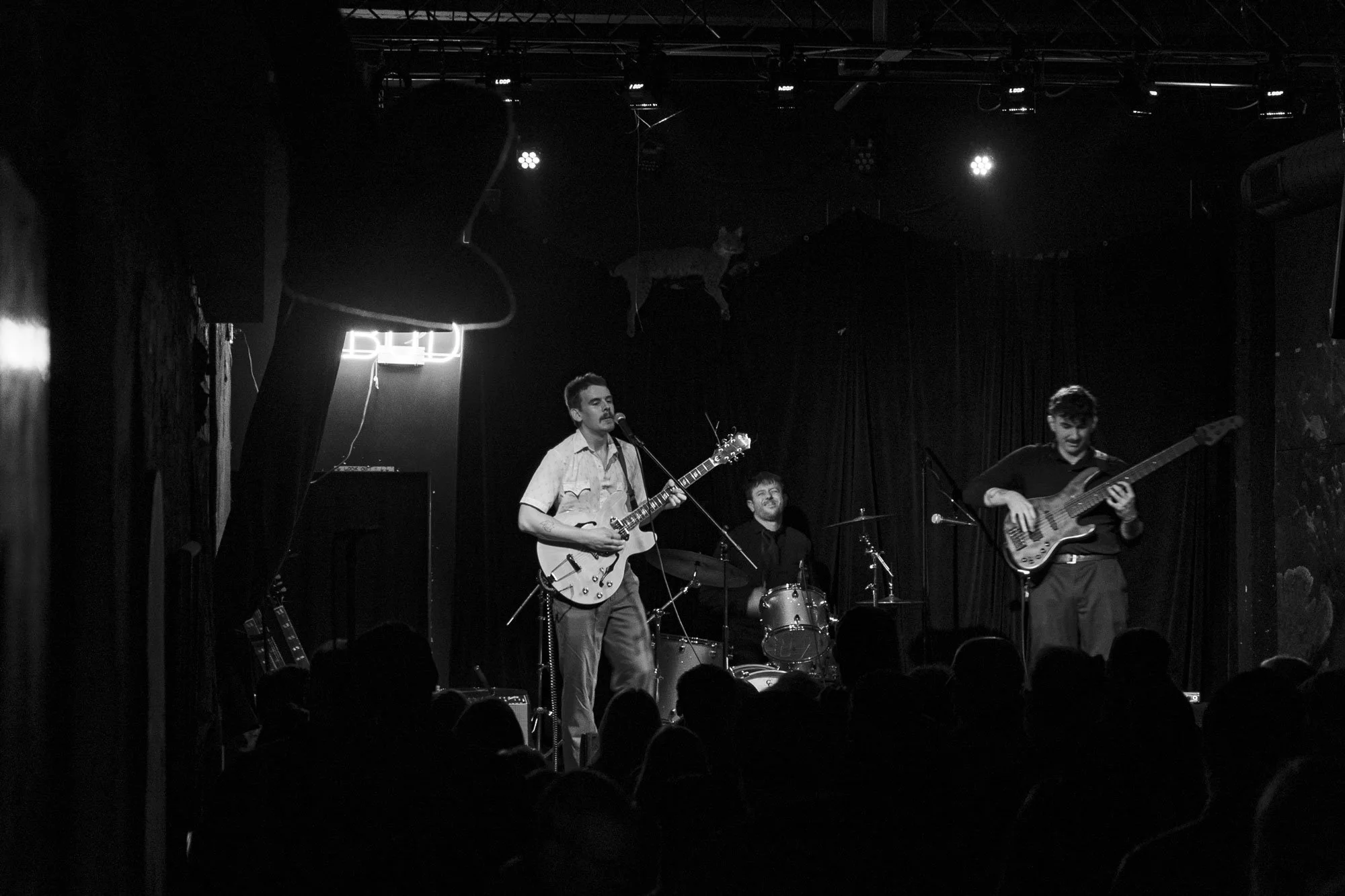
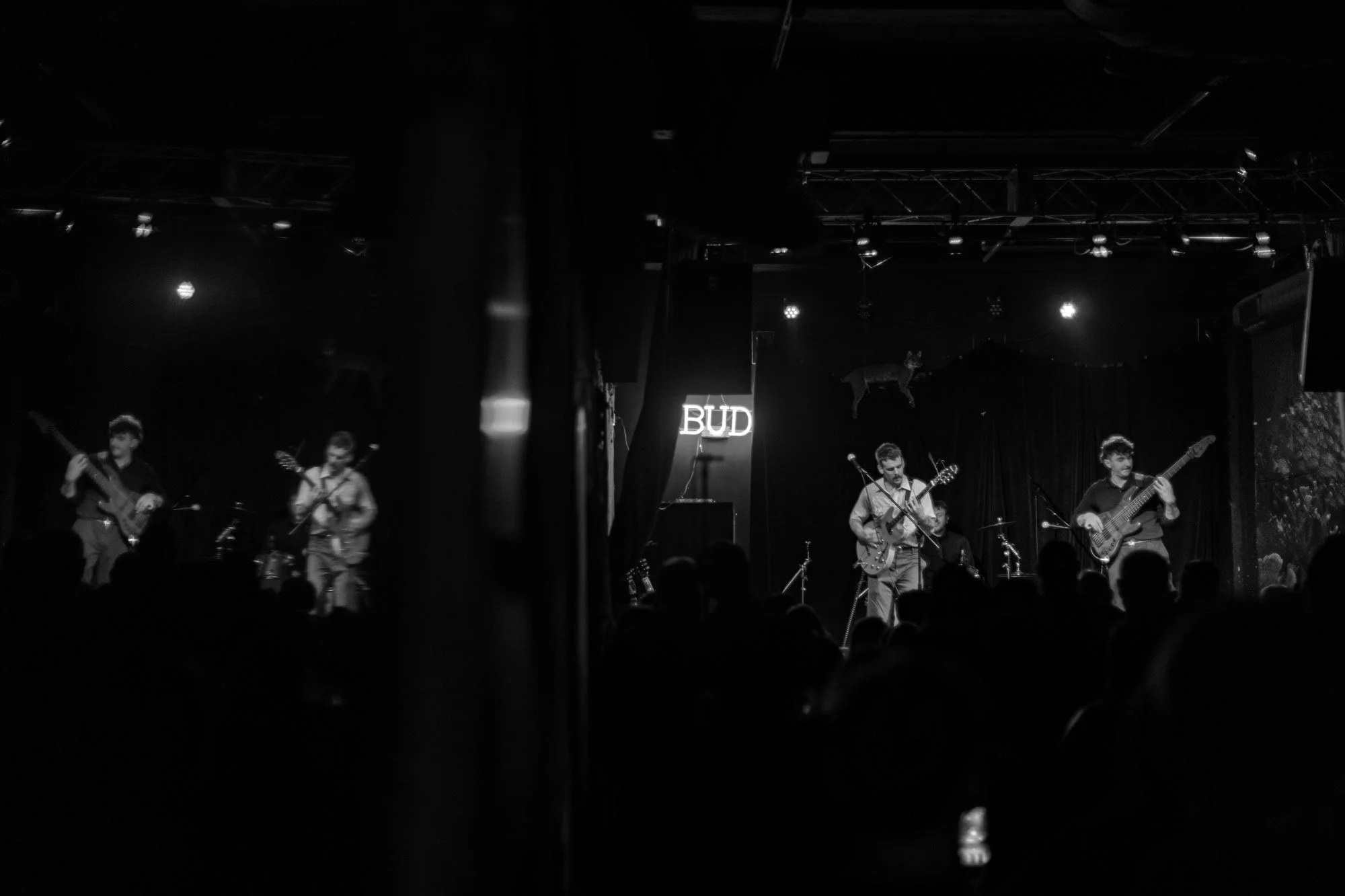
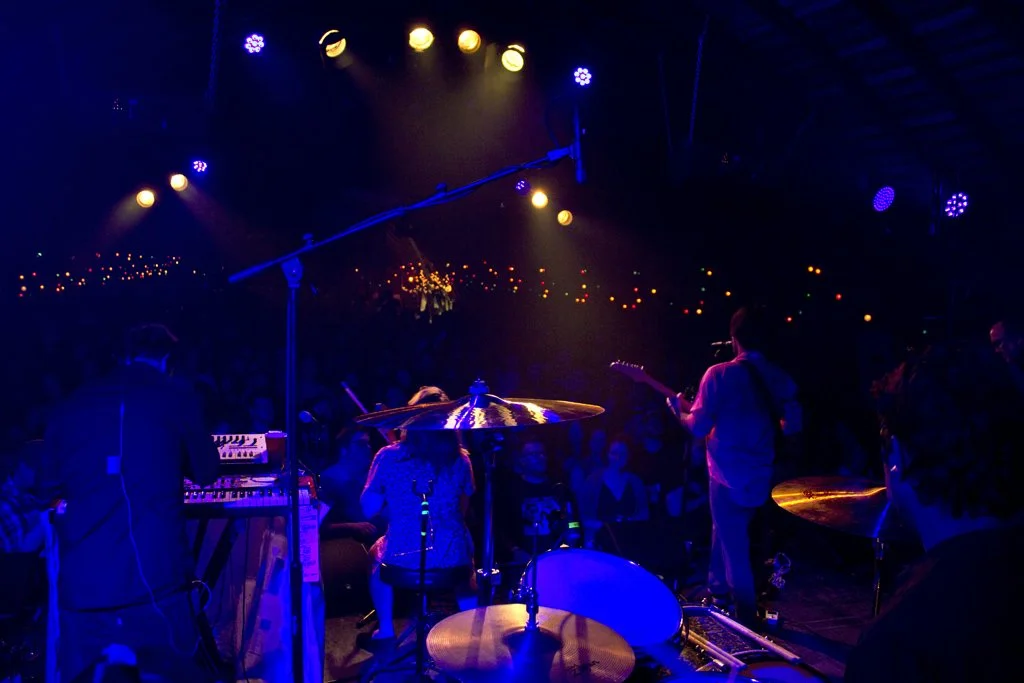
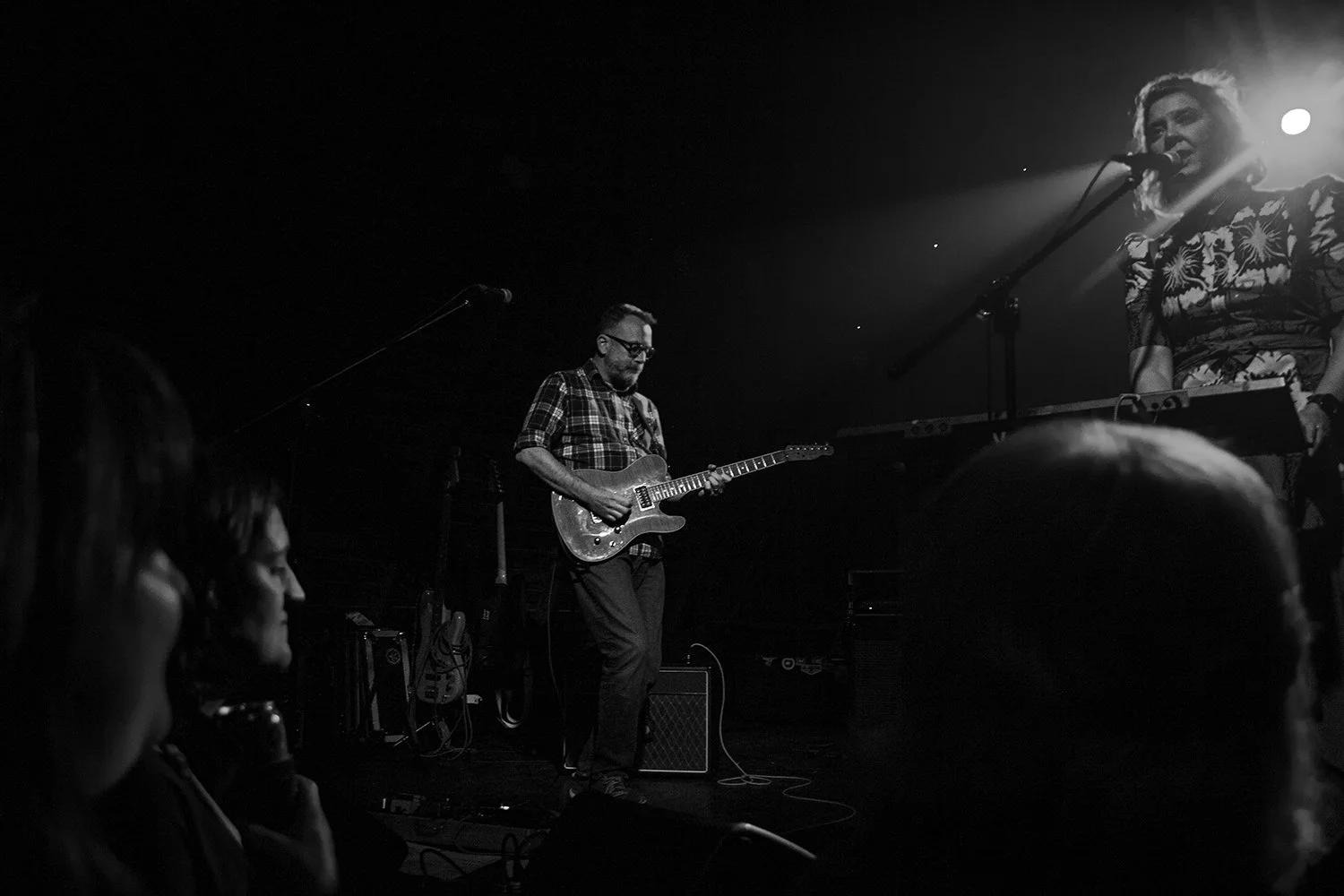
In 2016 I had been hired by Little Village Magazine to capture some shots of the annual Mission Creek festival, particularly Wisconsin Indie/Pop darlings Phox. Walking into The Mill that night I did not know what to expect, as I had never been inside this once Iowa City mainstay, and the anxiety of shooting in a foreign space for the first time is no joke. Standing within the murmur of this crowded space I watched a band I never heard of take the stage fronted by an accordion-clad woman. This was my first exposure to the powerhouse that is Subatlantic. They hooked me right away, and while I was already familiar with Phox this opening act had gained a new fan. A lot has changed in the last 9 years. The Mill is no longer standing but Mission Creek continues on, and while the sounds and artistic styles have progressed Subatlantic is still making/performing music and I’m still here documenting it.
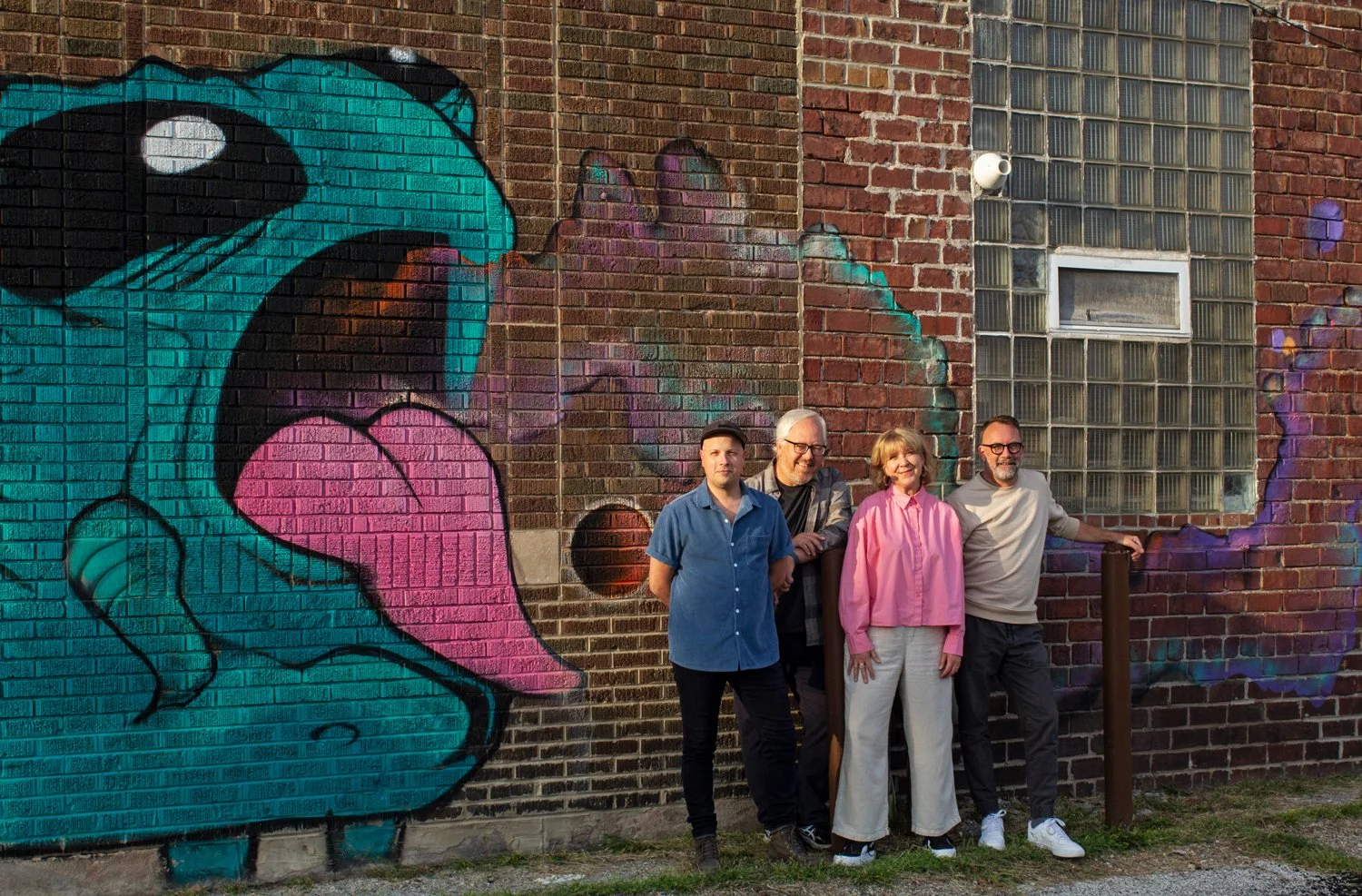
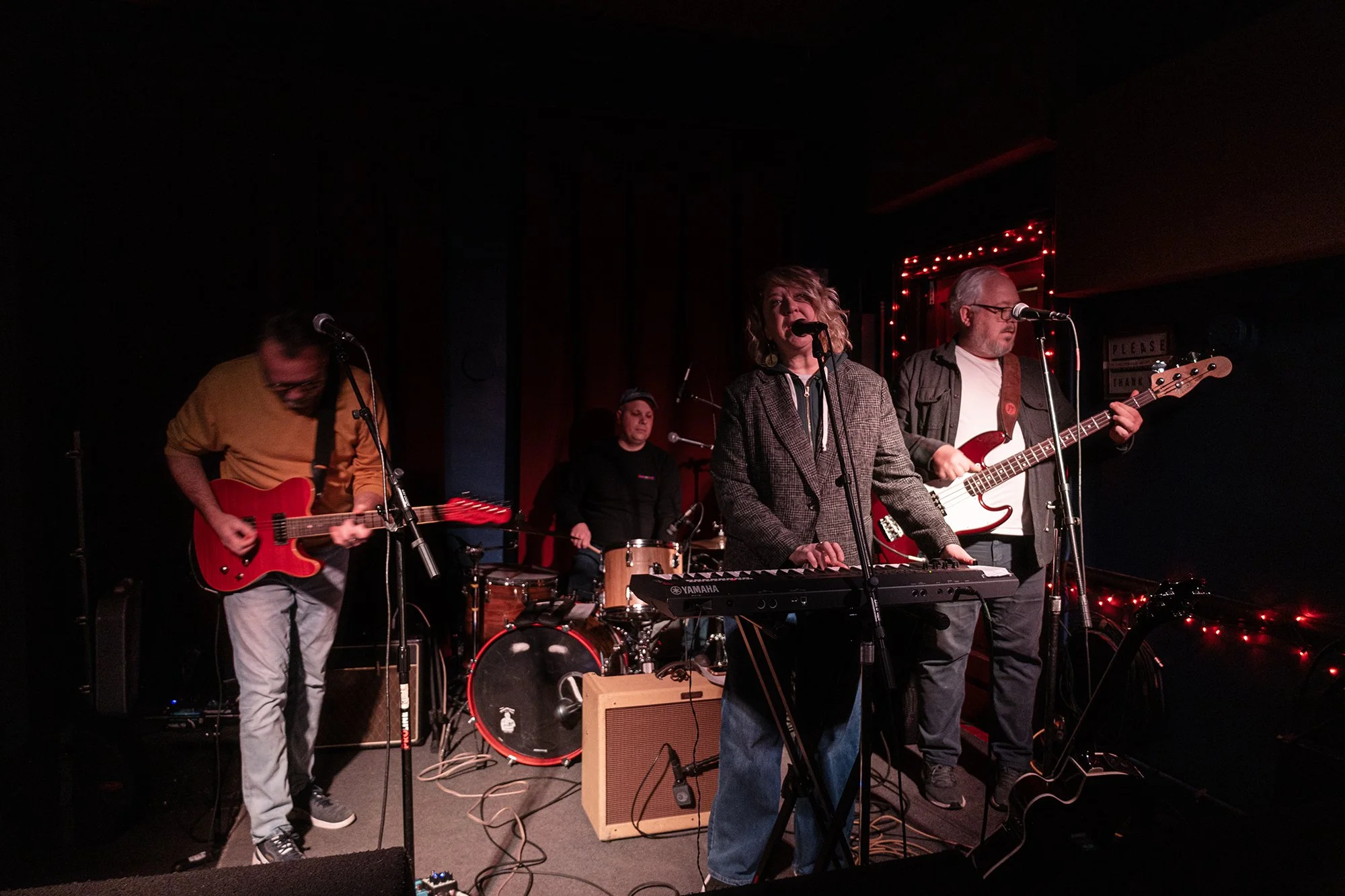
I know I am familiar with you all, but let’s start with some introductions. Who/What makes up the band known as Subatlantic and how long have you been playing together?
Becca Rice: Lead vocals, guitar, keyboards, and the occasional accordion
Adam Kaul: Guitar, Backing Vocals
Phil Pracht: Drums, Backing Vocals
Sean Chapman: Bass and Cello.
Subatlantic formed in 2008.
I know other than Phil, the rest of the band isn’t originally local to the area, and you grew up in different musical scenes. So what brought you together to form a group that has become such an important piece of the QCA music scene?
Becca: Adam and I had bounced around a little for a number of years, but originally we were from Fargo. Adam studied abroad in England, just south of Newcastle, and that’s sort of where the seeds of the music started, at least for me. The guys have their own origin story, but I wrote and recorded very DIY songs when we lived abroad. Then we had a good pal from high school who contacted me on MySpace and said, “I like your songs. We have a small label down here in New Orleans, so I'd like to release these songs on it.” So I released an EP in 2008. Meanwhile, we had already moved to the Quad Cities and knew about Daytrotter even when we lived in Buffalo, New York. Adam got a job at Augustana, and we were kind of researching the area and we were like, “Oh Wow, Daytrotter is in Rock Island, Illinois, and that's we're moving. So we were pretty stoked about that. We immediately started going to the shows that they'd have at Huckleberries, and that's how we met both Pat Stolly and Phil. Adam and I played as a duo, and Phil, who was working for Daytrotter at the time, approached us after that show and said he’d be interested in drumming with us. We only played one show as a trio. Then Kirsten, Sean’s wife, came on the scene at Augustana, with Sean joining about a year later. So we were all colleagues.
Sean: I had a dream job down in Arkansas that I loved, but we wanted to start a family and did. So I moved up here in 2008, and then we must have started playing together shortly thereafter.
Becca: Kirsten knew that we had been playing music, and she said, “My husband plays cello”.
Sean: So we just had one really nerve-wracking practice. Because, you know, I didn't know her music, and she didn't know if I could write to it, and I think that day, we arranged/learned four songs, and I took home notes. I really never thought of playing bass. It was all cello at the beginning.
I know there are several ways for one to interpret the name Subatlantic, so what caused you to settle on it for a band name? Is it one that you feel is representative of your sound/energy as a band?
Becca: That's a great question. It's hard one to answer, but, when we lived abroad, I mean, it's hard living away from home. So, we'd always say transatlantic or, you know, across the pond, just in letters home or when we talked to family back home. But, a long time ago, I wrote a song called High Strung and one of the lyrics was transatlantic, and I liked it, but I wanted something…it's hard to describe….something that wasn't just transatlantic over the air, or over the surface of the water...it's melancholy, and I sort of adopted it. It just kind of had a sadder tone, because it was a super great experience living abroad, but, life happens when you're living abroad, and it's harder to get back home to family, and when things get real, it's just a bigger obstacle to surpass when you're trying to get back to.
Sean: I've been in so many bands, and that day where you have to name it is a task. It took one of my bands, like, a week just going back and forth going over names. So, as far as that, I think Becca suggested it, and I was like, fine. Because after a point, it actually doesn't matter that much, you know, as long as it's not offensive.
Becca: And I wasn't, like, super attached to it. I just liked the way it sounded, honestly. I like the way it made me feel. Like you said, round, softer. It made me feel a little nostalgic and emo, not emotional, but “emo”
Adam: I remember that moment, too, when she goes, what about subatlantic? and everybody was like, oh, sure. I mean, that was the smoothest. It wasn't contentious or a super long discussion.
Becca: And since then, we've discovered that it's a geological age, which we didn't know.
Adam: We also discovered there’s a German Oceanic company called Sub-Atlantic that makes remote/robotic submarines. We've always wanted to write the music for an advertisement for them, and they’ve never sent us a cease and desist
Becca: So we've discovered that it actually means very specific things that we didn’t know at the time. I mean, it's sort of conscious of images, and it felt kind of artistic.
Why did you become a musician, and/or what or who initially got you passionate about music?
Adam: My father was a folk musician in the 60s. You know, in that kind of classic sort of Bob Dylan sense. He would play in the folk clubs and stuff. And so he raised us on that, Peter Paul and Mary Records and stuff. He would always make us kids sit down and listen to them. and he would play for us, and he's a great,like, finger-picking folk guitar player. But he never would let us play his guitars. They were too precious to let the kids play. He also wanted us to be better than that in a way. He wanted us to be classically trained. So he kind of forced us to take piano lessons, and he wanted us to actually learn cello and stuff. He always wanted that for us. And, you know, guitars are low-class or something. So that just made me, as a kid, want to learn how to play guitar. So I begged and begged and begged to stop going to these awful piano lessons that I absolutely hated, and aksed if I could I play guitar and take guitar lessons? They said, only if you save up your allowance and buy your own guitar. So when I was about 14, I saved up enough money, bought a really awful, terrible, low-quality guitar and amp, and took lessons for a year from some heavy metal guy who didn't teach me anything. Then when I was 15, I was in my first band, and we actually were writing music. We did a cassette tape that passed around high school. We never, like, did anything with it. We never played a single show, but we played for at least a year or so, and that's how I learned how to play guitar. It was through making up lines and making up music. It was just really the opposite of being classically trained. So then that band broke up, and then through college and pretty much ever since, I’ve been in a band.
Sean: For me, it's really the opposite experience. I mean, music has really always been part of my life. My dad played jazz piano a lot, and my mom played piano as well, but my dad played a lot of jazz records all the time. So we grew up listening to those. He gave us some records early on. Then I had a friend that was playing cello when I was in, fifth grade, so I kind of did that so I could hang out with him. It was in that time I got to really love it and got good at it. So I played through high school and then as a music major. As far as guitar, though, I bought a cheap electric and figured out a way to wire it into my stereo for my record player. I played all the time.
I think now they're getting better with classical musicians and training them how to play by ear a lot more, but I was not training that way at all. So I would put on easy listening radio because they tended to play slower songs, and I would just play along with melodies and try to learn. Then I got a chord chart of the basic chords, and I just practiced chords all day. Then nothing really came of it until I was 22 and started getting into a band.
Becca: Yeah, I was surrounded by music also. I've always loved music. I started playing and taking piano lessons at the age of seven. I had seven years total of it, I took some time off, but then I got to junior high school and they needed somebody to play jazz piano for jazz ensemble. I tried it, but you need to be on point when you're in jazz band. I was not cut out for that. So then that was kind of the end of my piano playing. Because I just got such immense stage fright from it. I couldn't read music in real time and keep up with the rest of the band. I couldn't be an accompanist or anything like that. So I kind of shifted to focusing on vocals. I was always in choir, I was in church choir, show choir and theater, musical performance all throughout high school. Then when Adam and I were seniors, because we've known each other since we were junior high. He was in this band. One of his bandmates, this really super interesting guy, had an accordion, and he loaned it to me. I ended up just kind of keeping it. I think he just said I could, I could, I could keep it. So I really got into the squeezebox or the accordion. And it wasn't like an 80 bass or anything like that. It was just like a 12 or 13 bass, really small. I really got into it. Then we started a college band, and I predominantly played accordion and sang for that band. That was kind of my primary instrument for years. Even when I lived abroad, I had the accordion with me. Then I was like, what about guitar? Adam had his acoustic guitar shipped, and so I had some free time. That was really when I started learning how to play guitar. Only by ear. Not classically trained by any means.I love the guitar. I could spend hours with it, not knowing what I was doing but it sounded good to me.
What motivates you to create new music, and what is that process like? Do you write songs as a group or is it usually an idea from one member that the others expand upon?
Adam: You know, I mean, we started, what, 15, 16 years ago now. So, that was a different era in music. So, you know, we're kind of in a different zeitgeist now in music in general. Our evolution, I think, has followed some of the evolution of indie music.
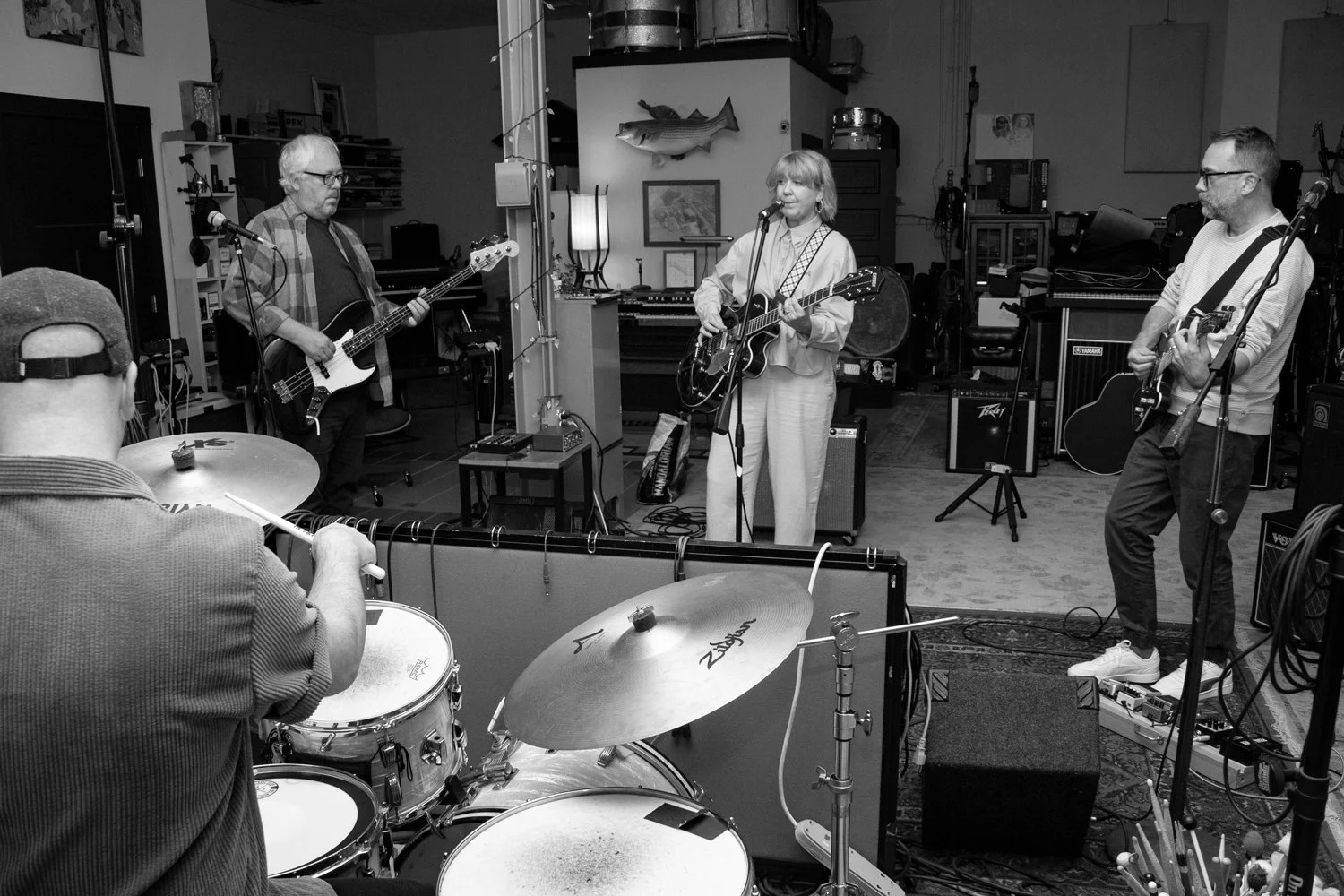
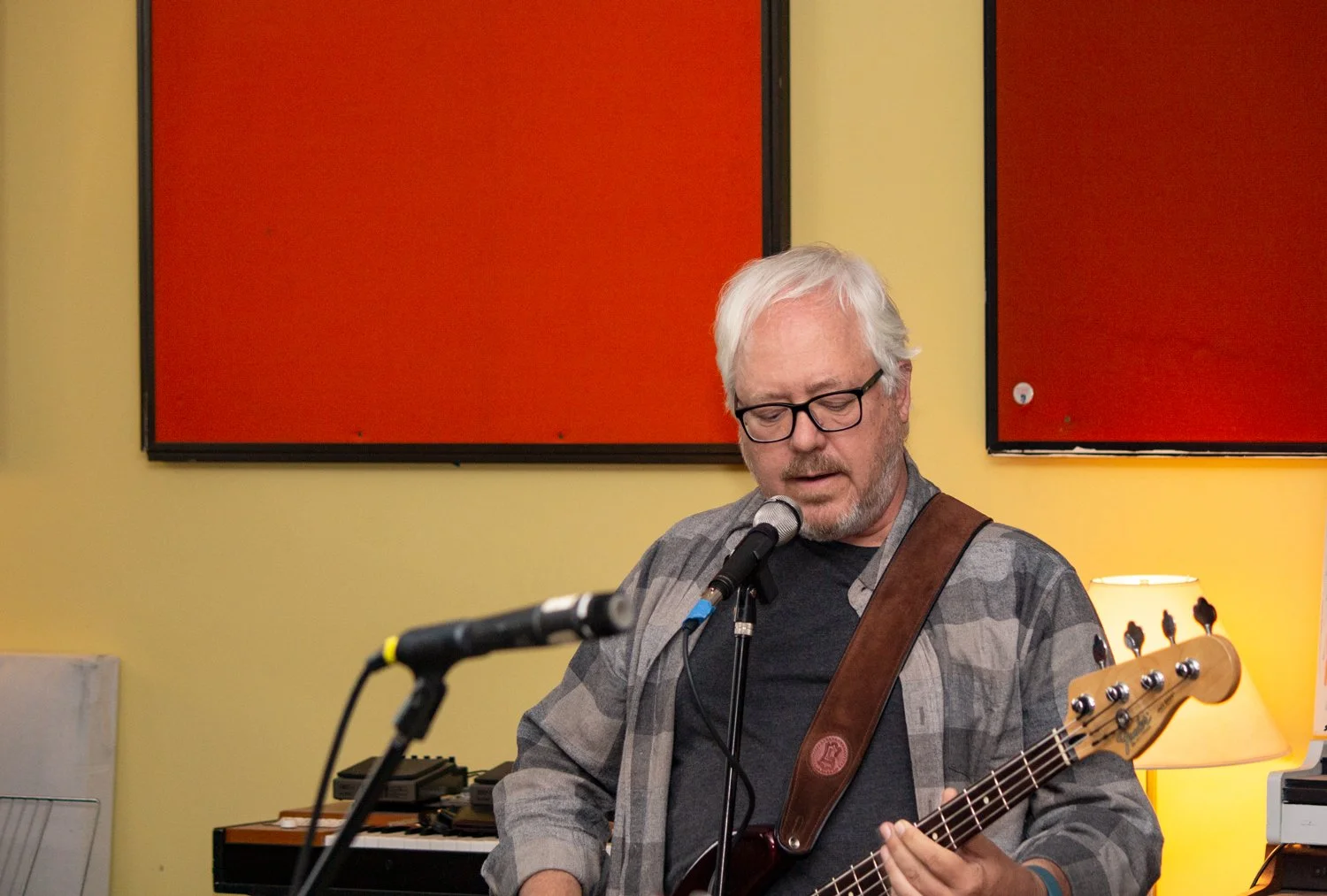
Sean: We started doing so much acoustic folky stuff, and then like many bands, we sort of just wanted to rock a little bit more, and they had a bass, so I started playing bass on a couple of songs, guitar on a song, so little by little, we just sort of evolved.
Becca: It started just as like playing around with the songs that were already written. So, it started that way, but then we morphed into a band where the songwriting just became really organic.
Sean: I vividly remember a specific rehearsal where I had this thing in my head, and I was like, “I don’t know these people well enough to say we shouldn't do that, or we should go to the chorus here or something like that.” Just some basic arrangement stuff, and I said, maybe we shouldn't do this and Phil agreed. I was so thankful. So, Phil and I sort of started with the arrangements, saying we should stop here, make a stop, then go back to the chorus, etc. and it still is very much that way.
Becca: I would say that Sean and Phil are the drivers and the arrangements as far as like choruses, and also just little hooky ideas.
Adam: I mean, I've actually said that Phil and Sean should start a production company and produce bands. I think you two would have been an amazing studio-producing team. Because you're just really good at like hearing something in the moment, where I'm so personally distracted by just sort of playing my part that I don't hear it. Sometimes you'll just look at me and say, play it an octave up or something. So I love that. Because we kind of throw a lot of ideas out now, and then those two are just really good at kind of editing it in a really clever way. So I really appreciate that.
Sean: So we evolved from Becca's songwriting for that EP. I'd say within a couple of years we were collaborating on songwriting. So for most of the band, we've been kind of co-writing I guess.
Adam: Right away Becca was bringing us songs. I mean, we'd work on them and arrange them. But after a couple of years, I don't know when that would have been.
Becca: Millie. Millie goes to war. It's one of those songs that we just started. We were messing around, and thinking, wow this is so different than anything we've ever had and you know, the accordion had no part in that. But kind of going back to the editing and the suggestions. I guess we weren't really classically trained. I mean, I took lessons, but Sean and Phil, they're way more classically trained musicians. And they are just crazy talented. They can play any genre. Maybe there's just a different sensibility of the different ear. I think we kind of need that.
Sean: I was a music major until I realized I didn't love it, but I did get enough of it and enough theory that it really does help sometimes. I think we've gotten really good at sort of chamber music style dynamics. Paying attention to loud and quiet and textures and stuff like that. I think that does come from that classical training. So we thrive in that environment where we really do play with dynamics. We like quiet. We like to build and we like to not have everything at one. We're into paying attention to those dramatic moments. The Pixies sort of taught everybody how to do that.
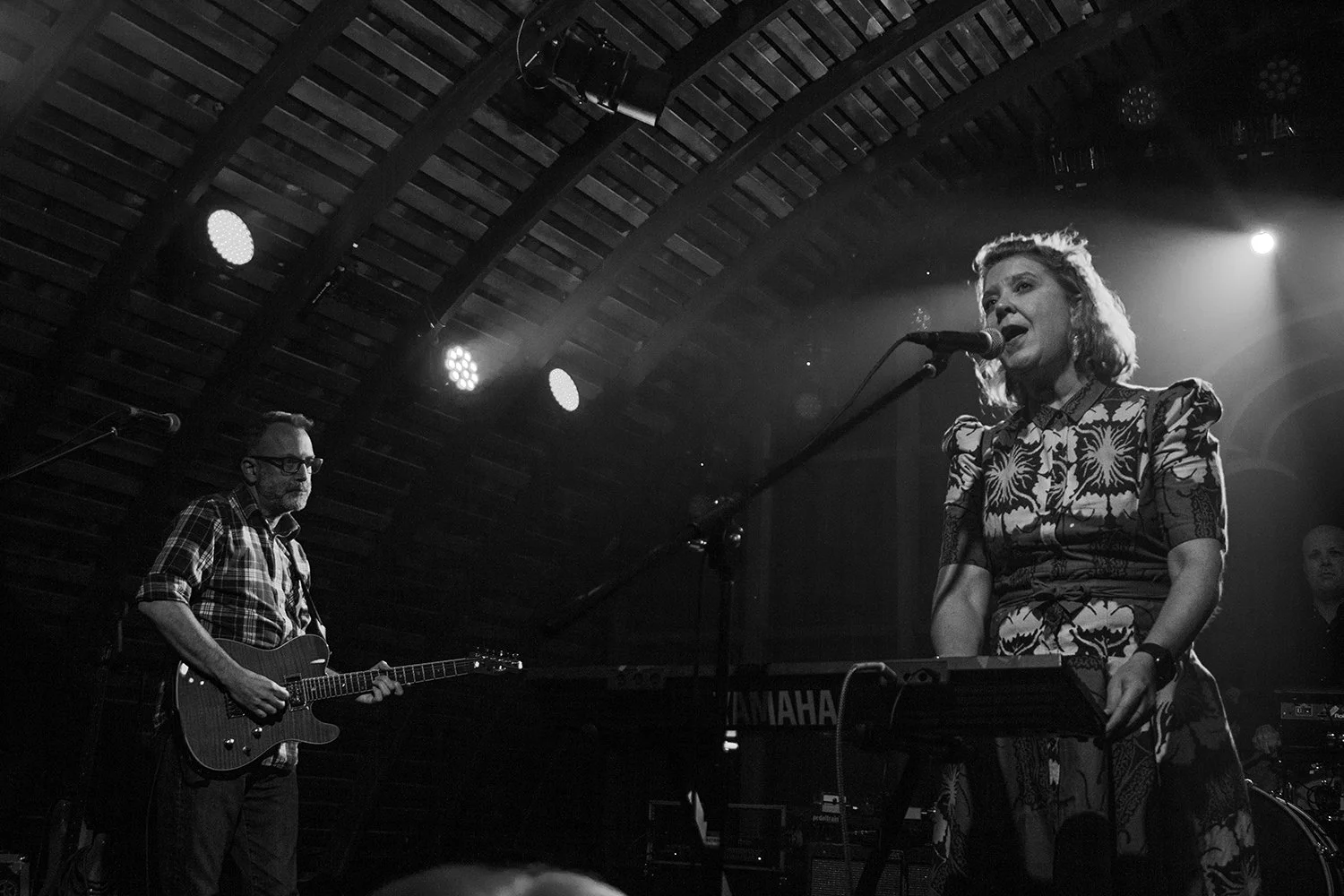
Adam: Then as far as arranging and writing, Becca almost always writes every bit of the lyrics. I've had a couple ideas, but its melody and the lyrics are basically hers….I think that's one of the reasons that we lasted so long. It's gotten along so well as that we each have our own little area. We're in a band, but they don't overlap so much that there's ego involved. So we all kind of try to pay attention to the fact that, yeah, we're four piece, we're not one. There are some bands where it's like one person, and then they make backup. You know, and that one person tells everybody what to do, and we really have tried to be egalitarian about it.
Do you enjoy the songwriting/album-making process? What would you consider your favorite/least favorite aspect of making music?
Sean: Oh, I would say sorry to admit it, it's probably the most enjoyable part of playing. I think. I love playing live, and I love showing off what we've been able to accomplish together, but I love arranging and coming up with something. Recording and listening to the new songs while driving to school for work the next morning. It’s such a great feeling. There's just very few collaborative arts projects that I know of where four people are working together to create a part that hasn't existed. It was so nice to just have that thing. I made this, you know, and we did this thing, and it did not exist in the world.
Becca: Like you said, with writing and doing it for ourselves is the primary thing for me. Performing it is like, hey, everybody, look what we did. That's a secondary celebration. I mean, I do love performing. It does feel to me like it's more sharing what we did, you know. I mean, if we were a cover band, I think there's a little less at stake. sometimes we'll write a song and we think, oh, everybody is going to love this one, and maybe it's a golf clap. Then other songs you're like, really? That's the one that gets the crowd. It's sometimes really surprising how people react to it. The main thing is hanging out and writing, and live is just a performance of that. I think we all feel it, I think the crowds feels it. It's as close as I get to the religious experience.
Adam: Me too.
Becca: Least favorite is when there's that sticking point where we don't know the direction, and I'd say nine times up to ten with those songs, if we are stuck in which direction to go, those really get put on the back burner. We have a whole folder full of songs that are started and not finished. And every once in a while we'll come back to it with fresh ears. But they usually just end up languishing in this folder and we don't revisit them.
Adam: Although sometimes, I mean, like, for the record “Say It Again”, there's one of our favorite songs I think everybody feels that way about New Leaves. That was a song I think maybe me in particular I was really unhappy with. It just didn't do anything for me. And I was like, I don't want this one on the record, but then we were like in this process of needing a few more songs. Let's go back to the folder, and it made it in the end. We went back to the folder, and there were a couple of little weird things we just tried. They weren't even songs, they were just little parts that we recorded. So we were listening back to some of those, and it just kind of came together. Becca simultaneously also did a weird thing in that practice and I was like, what if we added this other part from the file, which I really thought was cool. So that was just from the file, Phil and I were just doing a weird thing, and it all just kind of came together magically. It was like, oh, that's the song it should be, and now it's one of our favorite tracks.
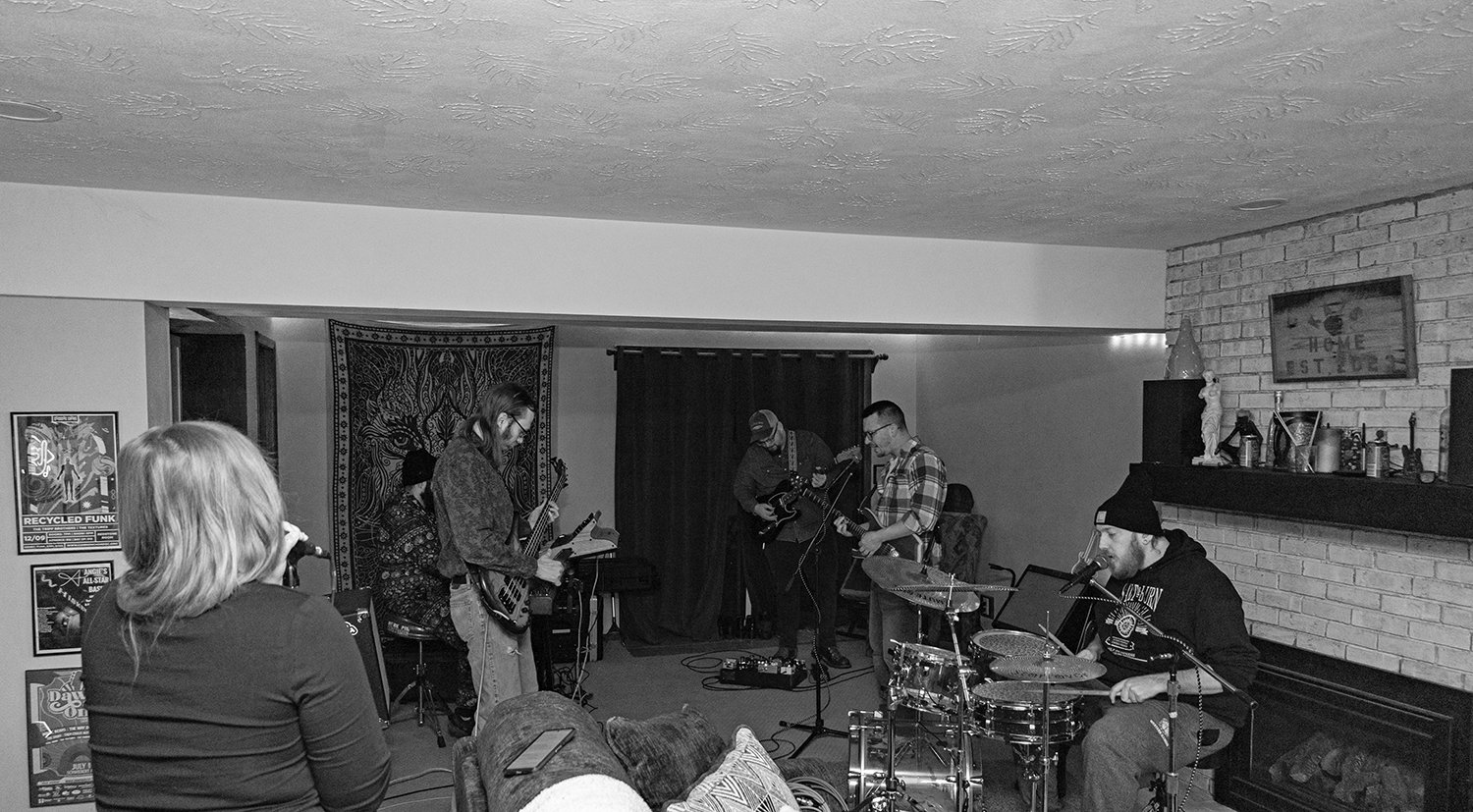
Becca: Then our writing, our writing weekend. Yeah, we talked to you about that before, and those times away when we're just sequestered by ourselves and the purpose of the whole trip or time away from the Quad Cities, with the four of us, primarily just to write without the noise, without the distraction of family and work and whatever. So those moments are so, I'm going to be super cheesy, magical, and the things that we come up with kind of take precedence, and we've done that twice. Each time we've done that with a weekend away, it's set the tone for the change in between “Villains” and “Say It Again.” It's like an evolution, and then we did it again after “Say It Again”, and we've been playing a couple of songs live. We've got a couple more, but people have been saying to us after shows like, oh, yeah, that sounds different from everything before. So there's something about those weekends where it kind of shakes us loose. Yeah, it shakes us loose from older traditions that we've kind of gotten locked into and kind of pushes us a little further. I don't know what it is about those weekends, but it works. We just put our phones down, and we'll play for a long time, hours and hours, and then go for a walk and discuss.
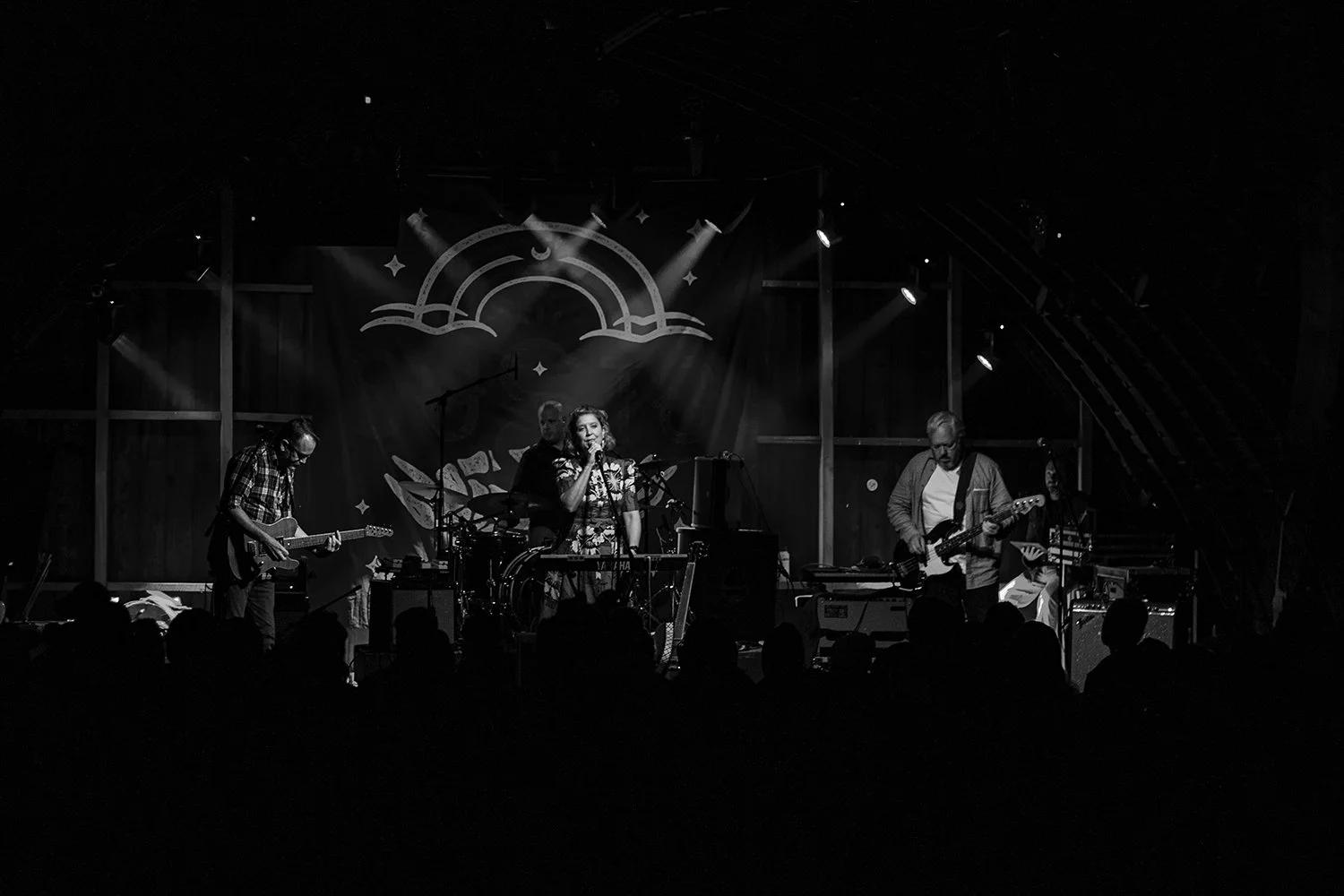
Regarding the local scene, what do you see as the strengths of the QCA? What areas do you feel could use improvement? How does it compare with some of the other scenes you’ve been involved in?
Adam: When Becca and I moved here, we thought, well, we'll just live a nice quiet life. All of that part of our youth is over, and we get here, and this is one of the best music scenes we've ever seen. I mean, with Daytrotter going on, and all the national bands coming through, I mean, Buffalo was great, but we were, like, this is better.
Becca: Buffalo was pretty incredible.
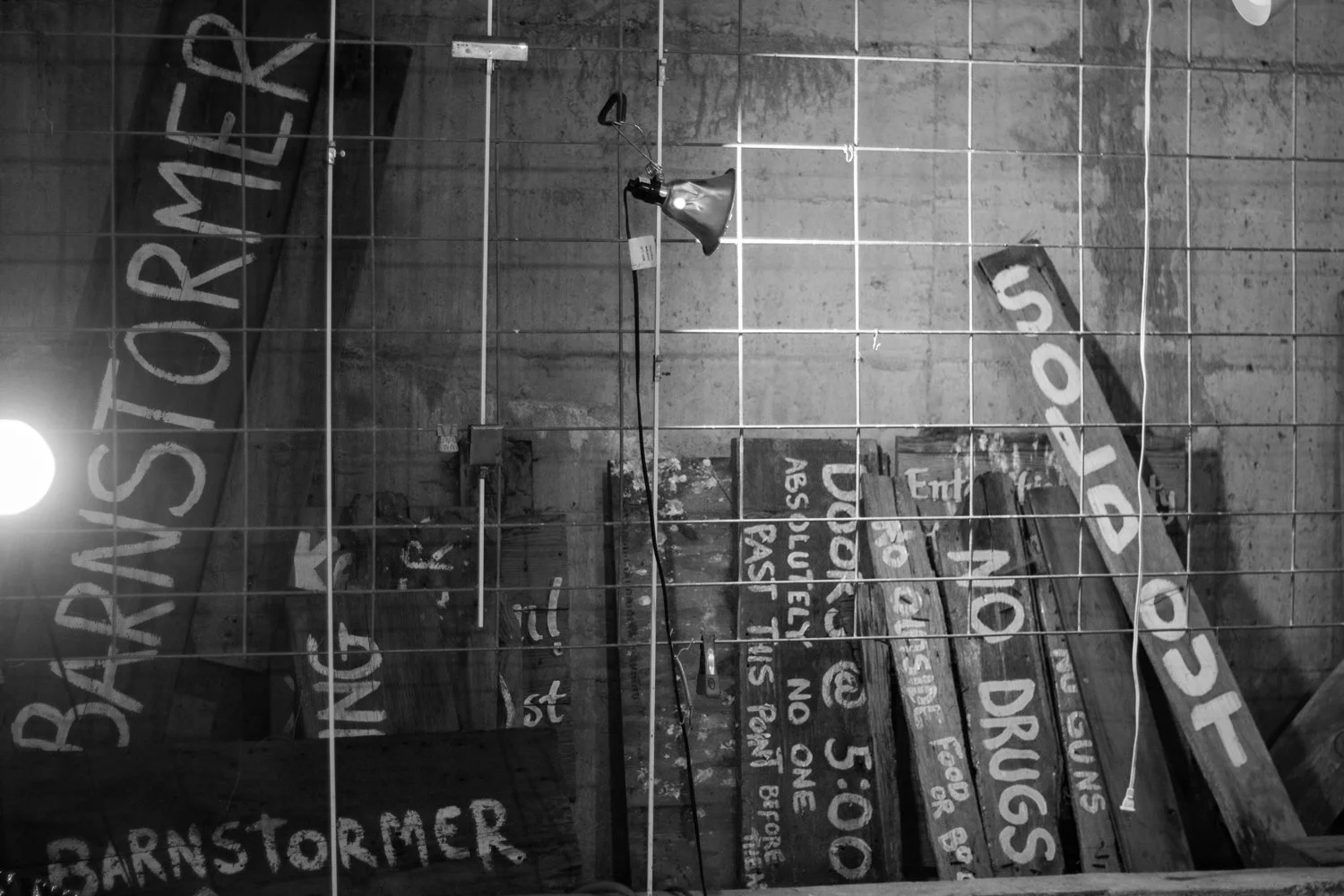
Adam: I mean, Buffalo, it was good but, this is at least on par if not better. You know, I was shocked. It was really exciting to be able to be a participant in those early days of Daytrotter, especially with the barn storming tours. There are reasons that Daytrotter works are still there, even though Daytrotter is gone. We are at the crossroads in North America. I mean, there's upsides and downsides to being in the Midwest, you know, but, the upside is that we are in this crossroads. So, all these bands come through. There's this really vibrant thing going on. It's you know almost half a million people. It's not massive, but it's sizable enough to keep the scene going.
Becca: I actually think things like Alternating Currents and The Last Picture House help. There's, an artistic sort of vibe that's happening that you wouldn't get in a smaller town. I mean, yeah it's not Chicago where many up-and-coming musicians might be a little intimidated or something by I think it's a good size, and I think our arts scene in general, not just music, but the art scene in general is a lot for a city of this size.
Sean: Well, that ties right into the downside is that you ask your average person in this area and they want to know what’s going on and that's really frustrating because there's good things going on that people do not know about. They don't know how exciting it could be to discover a local band and get into them. I think people are a little bit timid and, you know, not really pushing themselves to get out and explore and discover, and that makes me sad. I think, because there's so much more potential in this if the town really supported the scene.
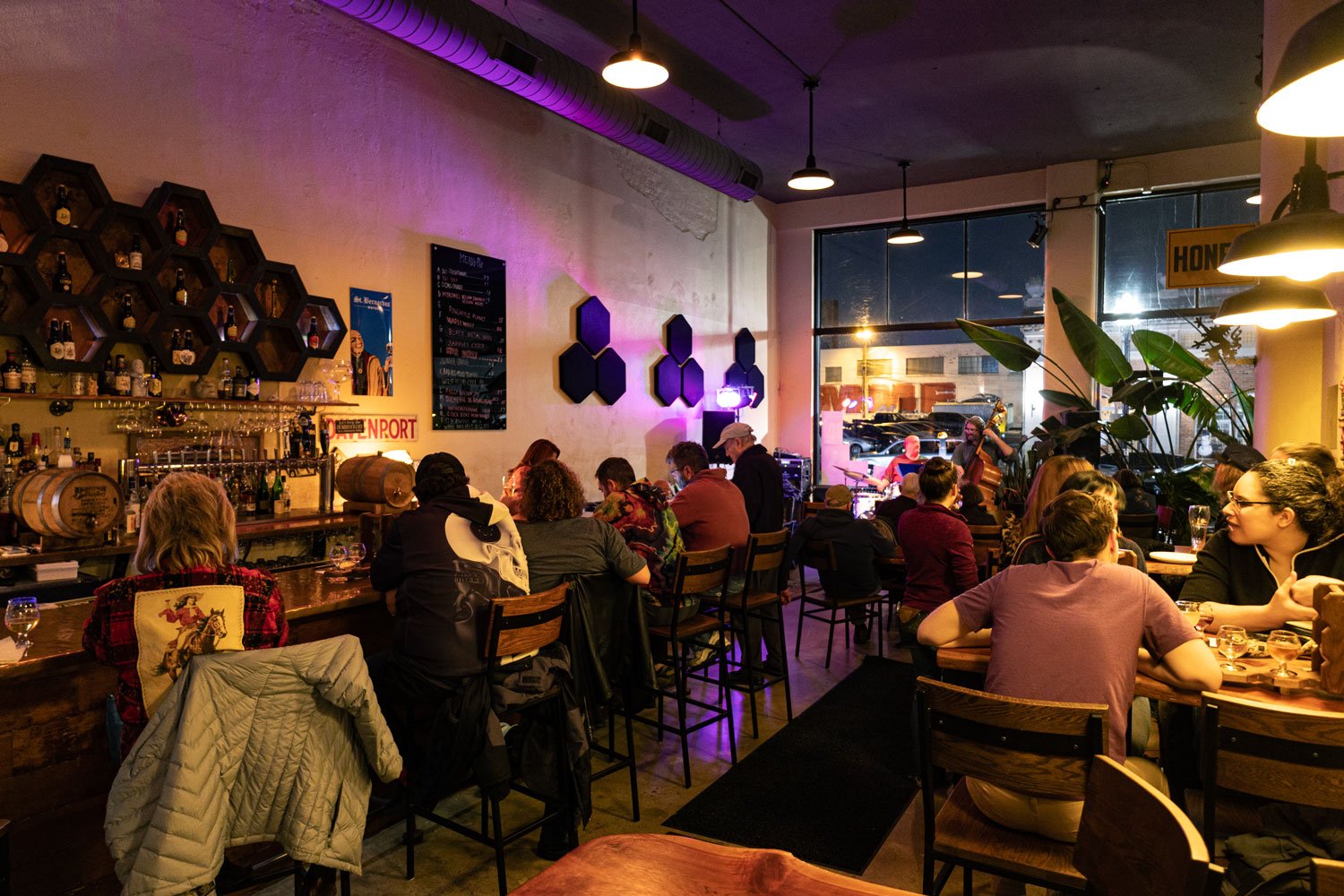
Becca: I think, you know, we've seen so much change, and evolution to venues and quality of venues in the Quad Cities. I know that I get a little bit of FOMO when I hear John Burns and Chad Gooch talk about the DIY scene before in the early 2000s and late 90s. So here we are, like, reaping the rewards of the hard work that those guys put in. And Ben, and this venue (Rozz-Tox), we'd be lost without this place.
Adam: The art scene here is incredibly supportive of each other. There's not a lot of in fighting and weirdness. There's no ego. In other scenes, it's very competitive between bands. I'm sure you've noticed this, but, like, I don't feel that here.That's our perception.
Sean: Everybody's so nice. A lot of people in a lot of scenes, you know, there's some BS complimentary stuff that goes on.
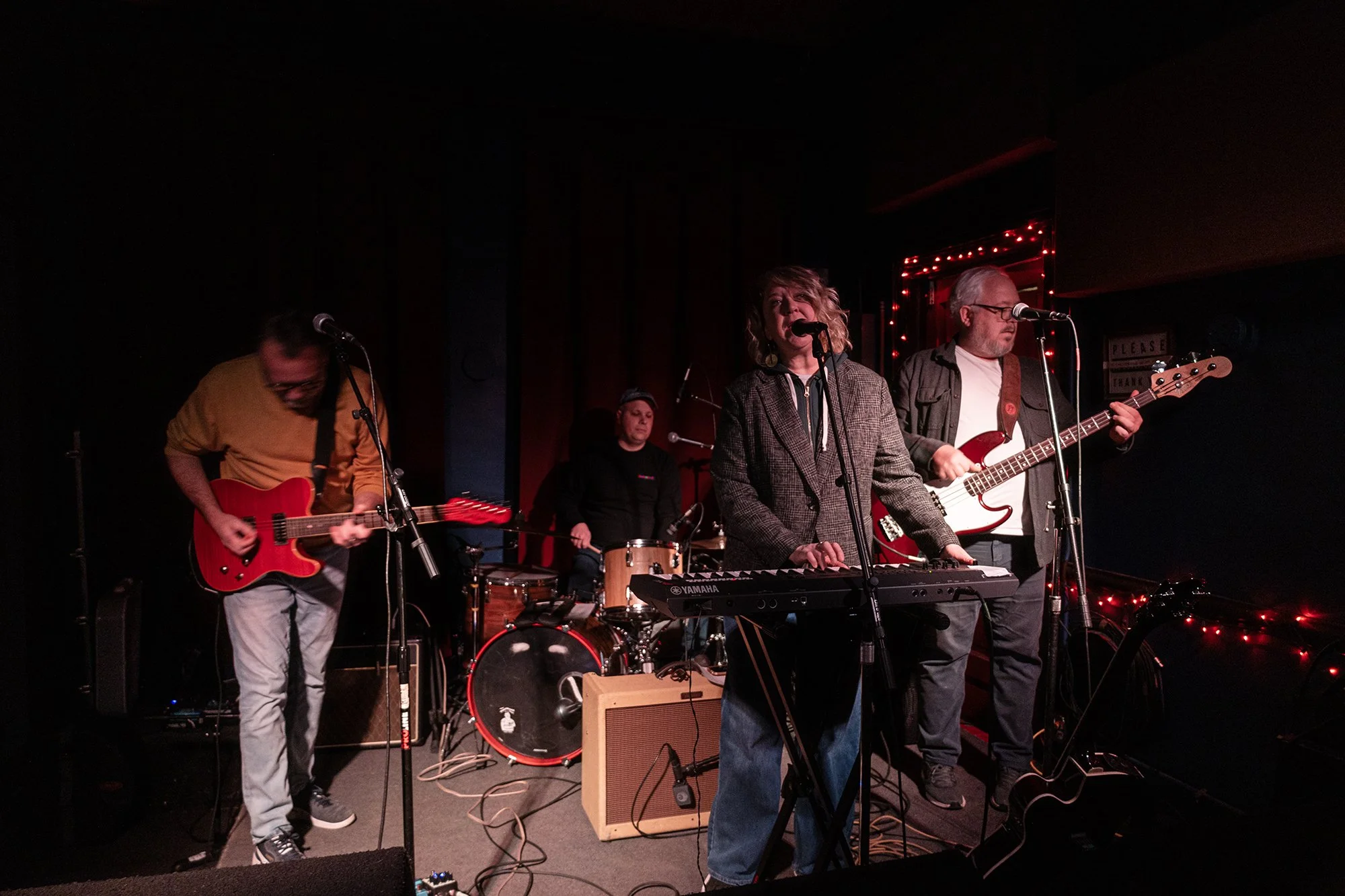
I have been lucky enough to have seen you play in quite a variety of local spaces, What is your favorite local venue to perform at? Are there any spaces, either still going or no longer in existence, that you’d love to perform in?
All: Rozz-Tox!!!
Becca: I mean, Raccoon's great. We love playing there. But Rozz-Tox is a special special place.
Adam:I mean, it's a place that other towns have tried to imitate this place. It's unique enough that people know, and they know it's special.
Becca: This is our home. We've done both record release parties here. Ben was instrumental when we played in France, and he was kind of the guy that lined up the venues for us. He made sure that we had instruments. So Chrash and Sub-Atlantic did a little tour. Ben was instrumental with that, no pun intended
Becca: Raccoon is still around, but there was something kind of cool about that old Raccoon.
Adam: Yeah. It should not have worked, but it worked so well. The sound in there was the best. It was just an incredible place.
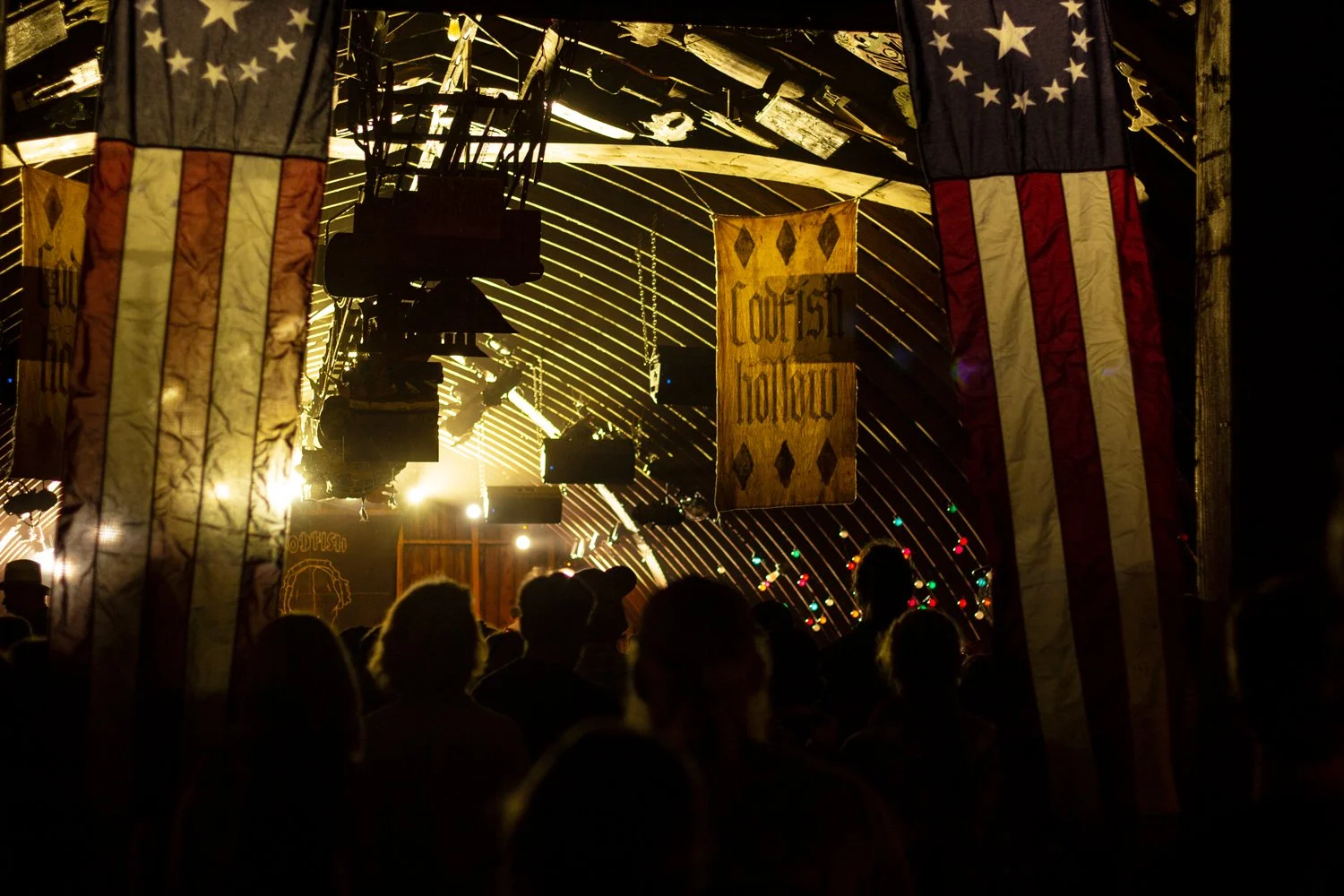
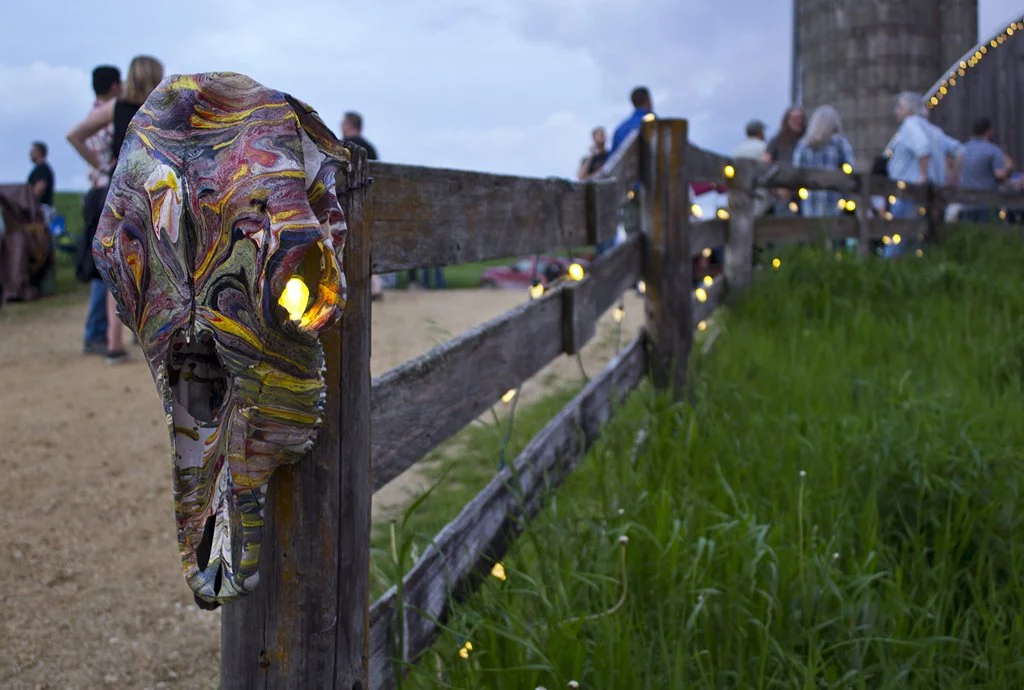
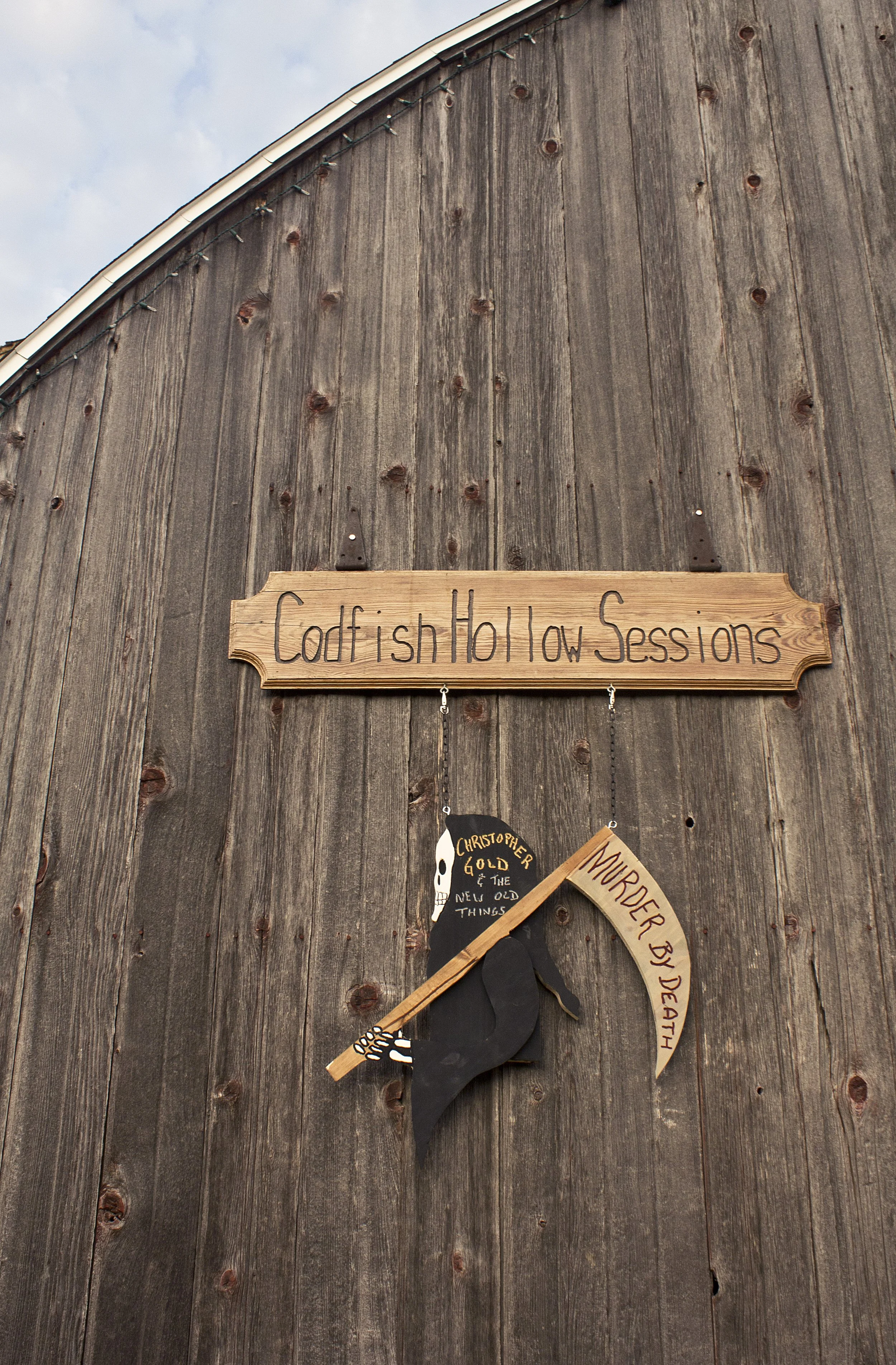
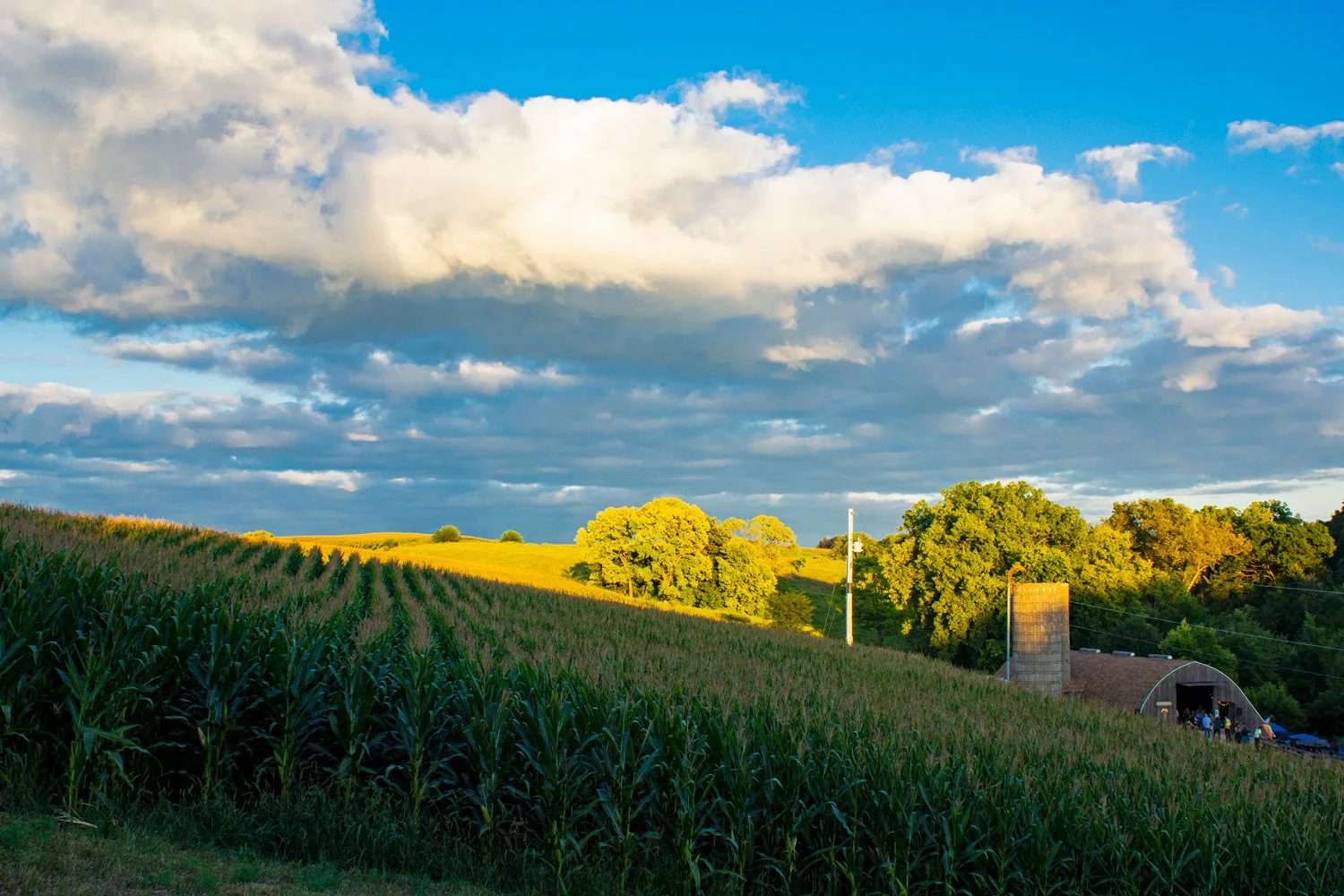
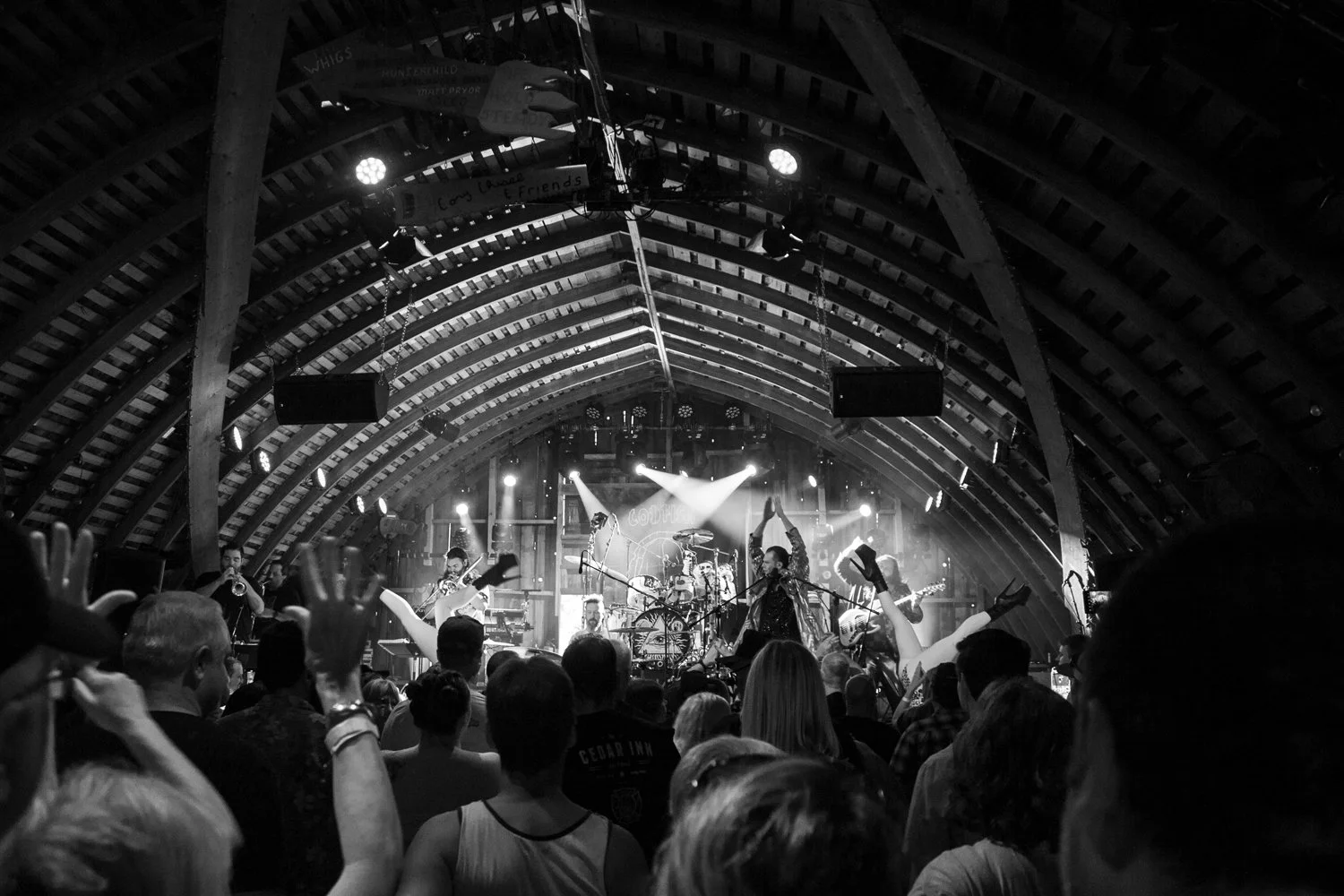
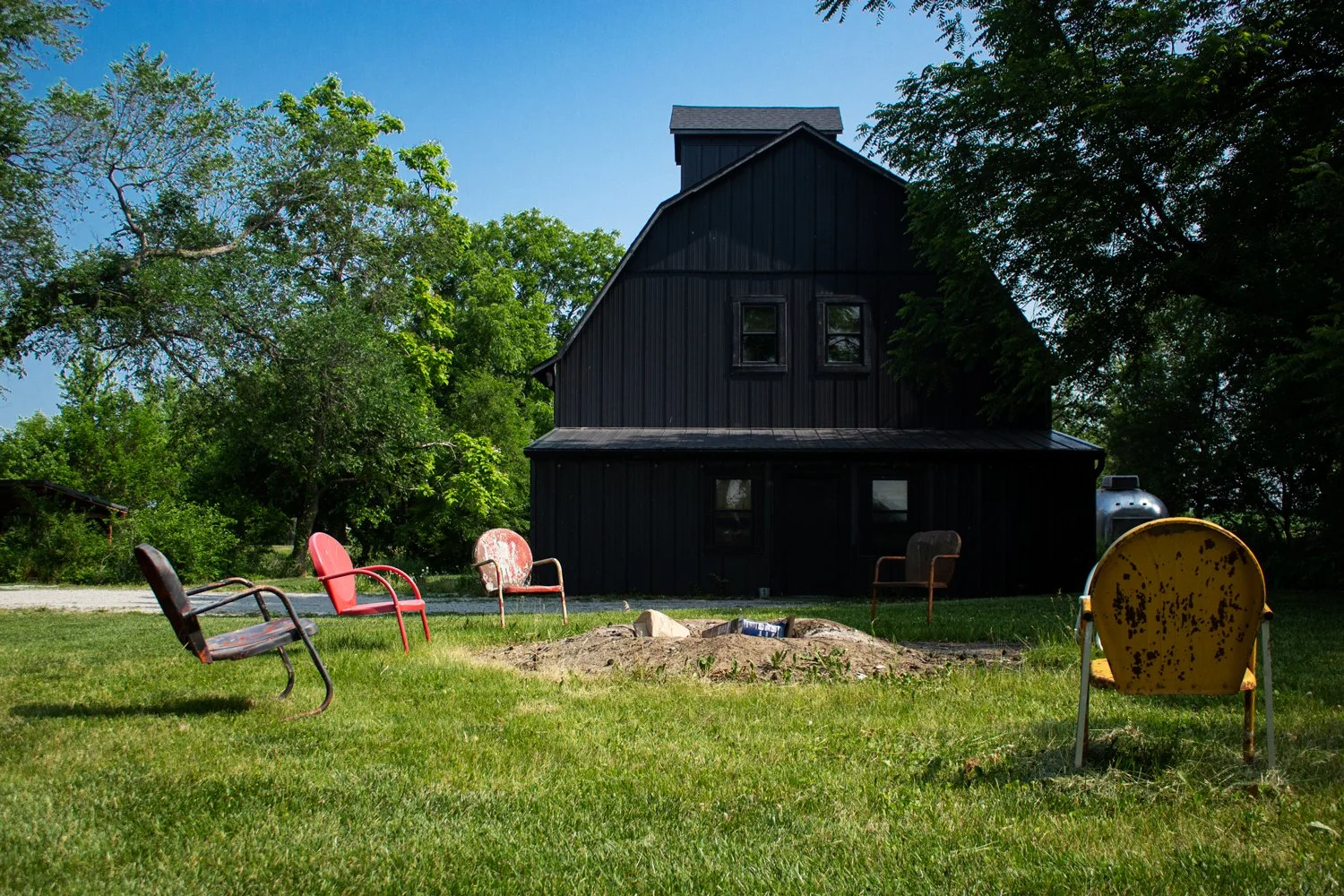
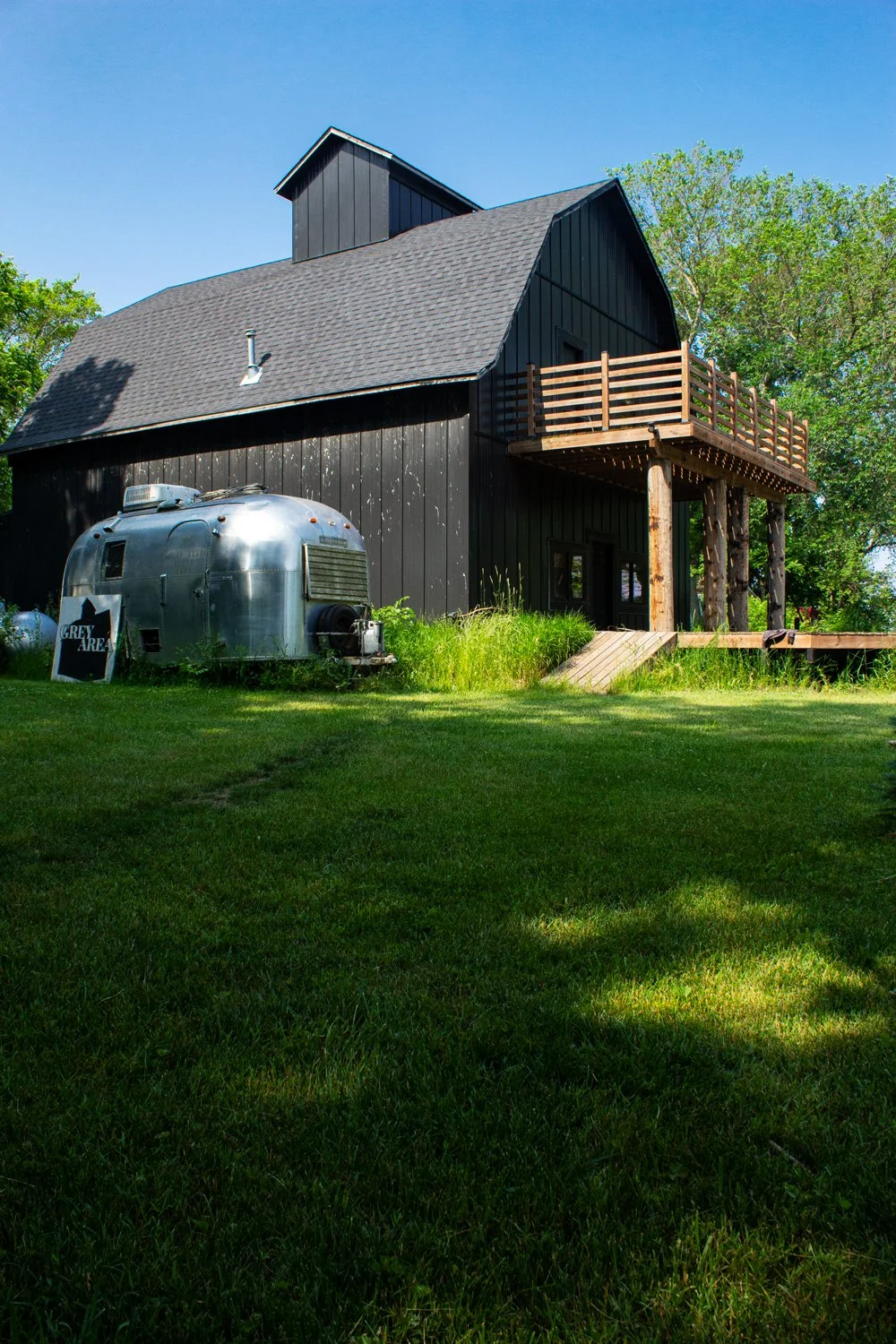
Becca: You took lovely photos of us out at the barn. I mean, that was a special place. I mean, we were treated so well.
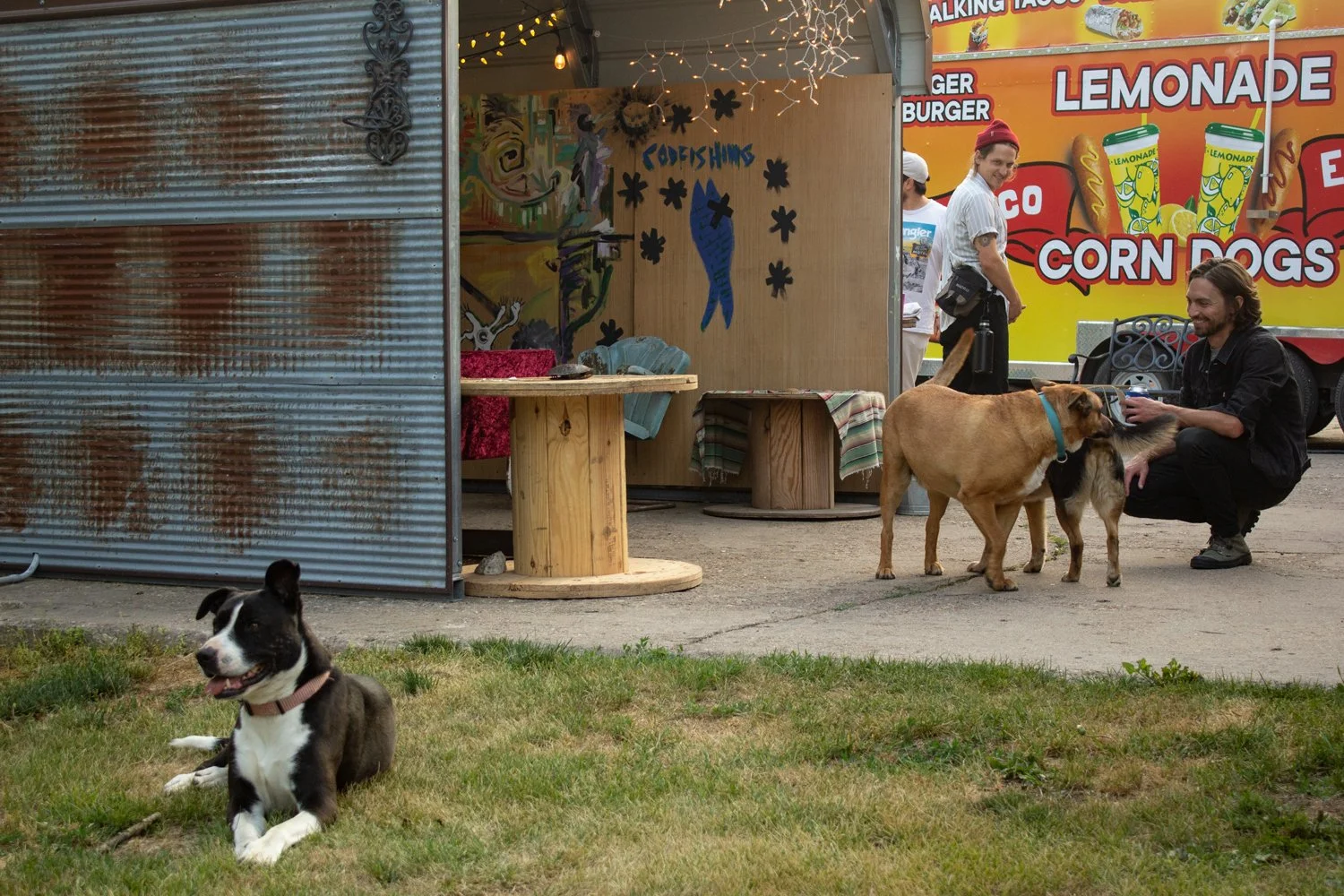
Adam: Like you were saying, it doesn't really matter what's going on (at Codfish). There is a captive audience already. They're there for it. They don't want to be disappointed, and even if they are, they didn't show it. I think that was the first experience we had as a band where I really distinctly remember this, like, not having anything to prove. You know, you play smaller clubs and I'm sure you felt this too. Like, every note, every song, you feel like you're having to win over the audience, but stepping on the stage at Codfish, everybody wanted you to succeed. They were so excited. It didn't matter who was there. They were so excited, and we immediately got it. That was so amazing. Codfish was the first moment that felt like this next level where you just walk on stage and there's good vibes.
Becca: Just seeing that barn evolve into what it is today. We went to the first one. It's just so cool. There was hay everywhere. They literally put a rope up between the stage. There was no stage they just put a rope up.
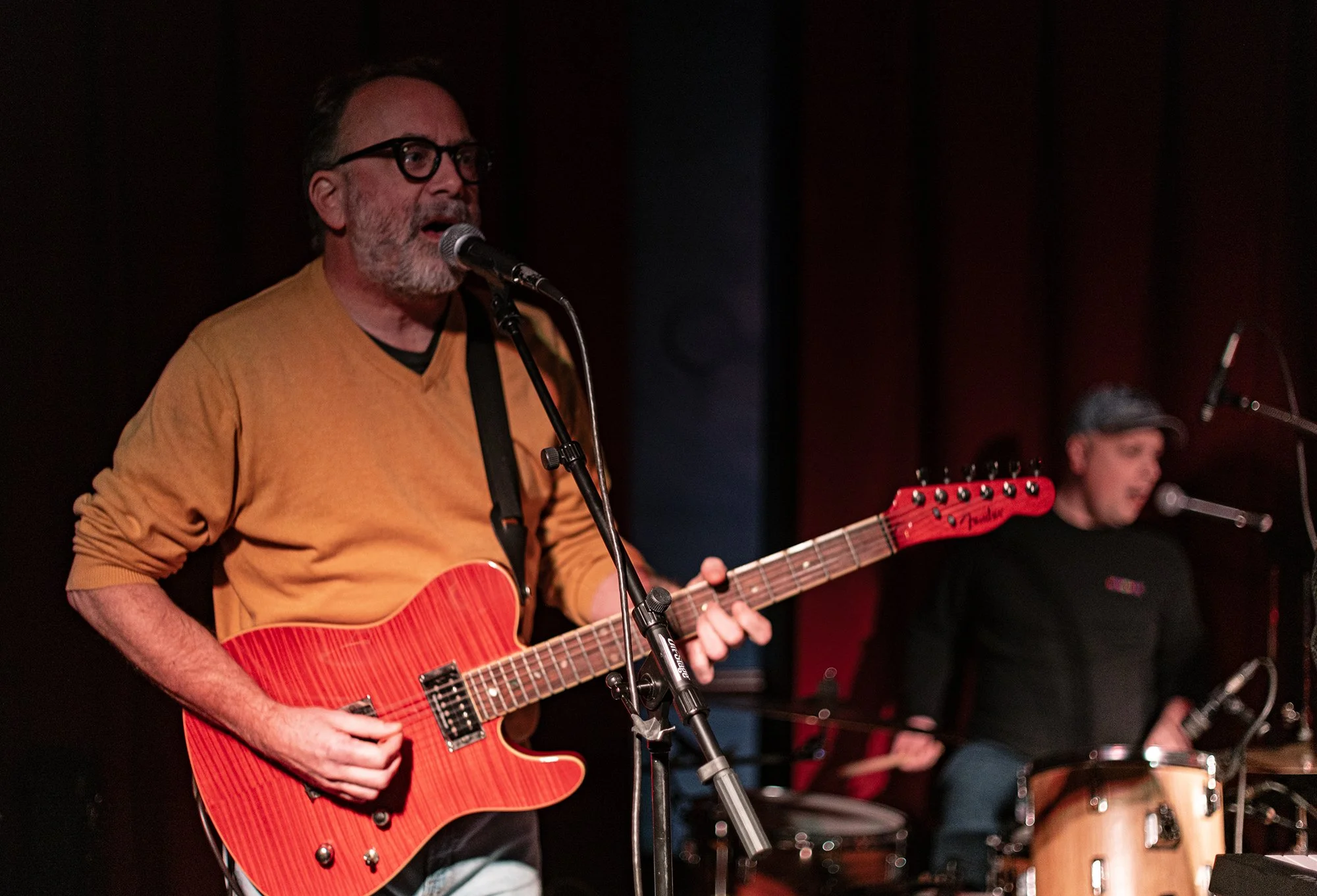
Being a band for over a decade, I’m sure you’ve played some really memorable shows. Is there a band/musician you’ve played with/opened for that you see as a “career highlight”, so to speak? Maybe one you’re still a bit surprised you shared a stage with.
Becca: Just me personally, Shana Fulana. We've played twice with her once here (Rozz-Tox) and once at the old Raccoon Motel. The first one was here with an Iowa CIty band, Hot Tang. They were only around for like a year or so. There was just a really special energy in the house. Okey Dokey. It was at the old Raccoon Motel.
Adam: We have a show coming up in June I'm really excited about opening up for The Tubs, from Wales. They sound really good. So I'm excited for that.
Sean: Eros and the Eschaton, also Lonely Hearts. That's Andre Perry. He was like the head of Mission Creek for a long time. He was like the musical director for The Englert. Really cool guy. He was at the core of Mission Creek Festival, but they had this great duo band that would do concept records. They'd only come together a couple times a year to do these shows, and we'd support them in Iowa City and here.
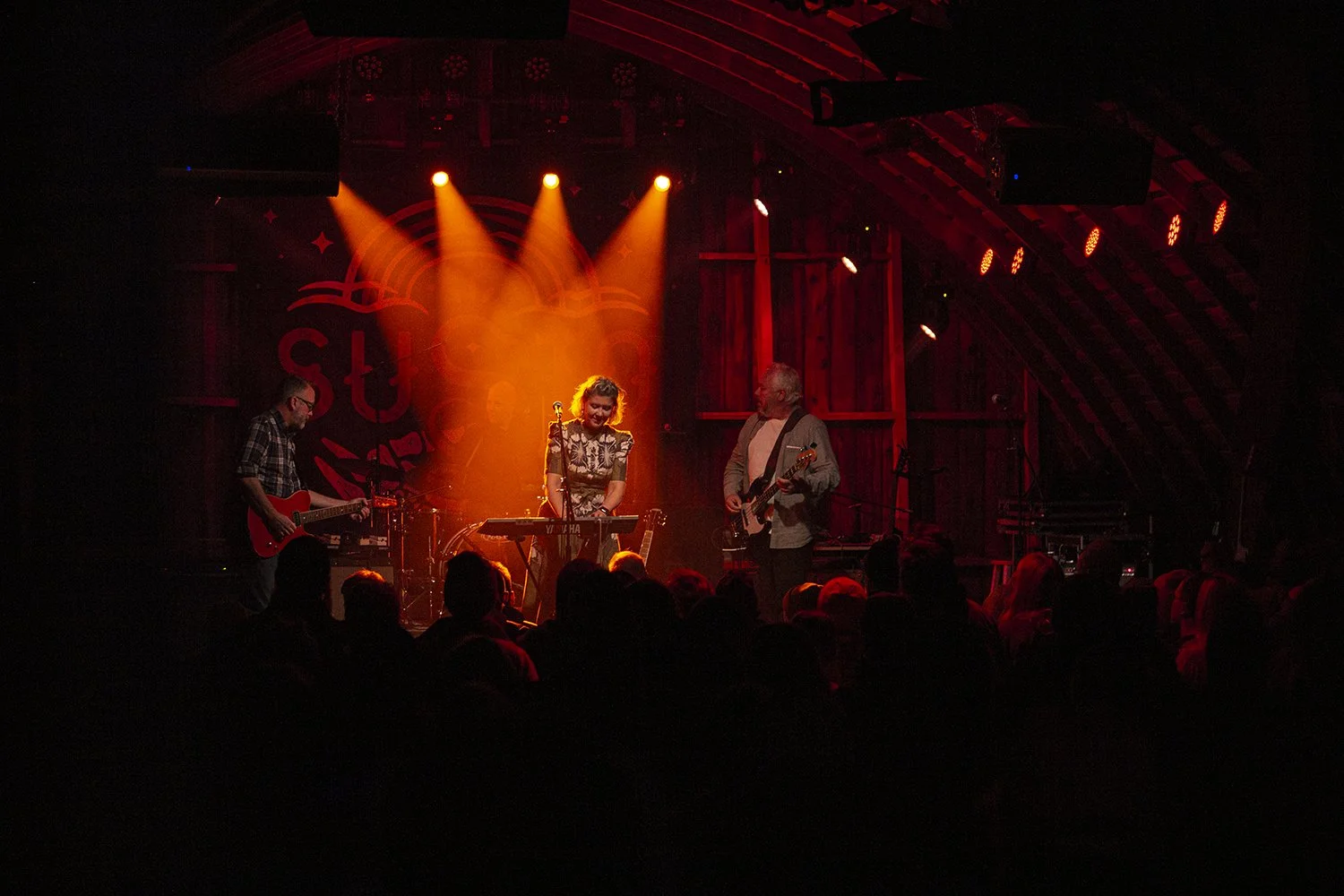
What’s the best piece of advice you’ve received from another musician? Is there any insight/advice you’d give to aspiring musicians, or even possibly to your younger self?
Adam: Stop worrying about it all so much. That's what I would say to my younger self. In fact, I'd say it to my present self too. I just get hung up on things in a way that. It's unnecessary.
Sean: Just enjoy it. Find cool people and enjoy it, and it doesn't have to be a lot more than a fun way to make art with friends. You know, almost like a hobby rather than a vocation. Just relax. It's a good thing. I feel like once we kind of realized we're just doing this ongoing weird art project. I think our art got better.
Becca: That's really the key. Just not to worry. Just relax. Don't worry so much about the scene. Live in the moment. But we put ourselves out there and care less and less about the critics. I mean, that was kind of the running theme for the last record for me at least. It's just like, there's so much judging, so much criticizing, and you just have to accept art for art's sake. It's so heartfelt for us. It means so much to us, and I just hold on to that. Just do it because you love it. In fact, the more you do it for its own sake, the more people enjoy it. If you're having fun, other people will feel it and have fun too. We know when we create music, we know wholeheartedly that is not for everybody. If you like it, that's great. If you can relate to it, that's awesome. You know, it's funny people ask, what is that song about? Like, I don't know. I know how it feels. I know how it feels to me when I write it and then a theme emerges. I really hate trying to explain art.
Beyond the June 13th show at Rozz-Tox with The Tubs, are there any big plans for 2025, or final notes you’d like to leave the reader with before closing out this interview?
Adam: Iowa City Art Festival. It'll be on the main stage.
Becca: We may have a show on the roof of the Putnam. Jessica here (Rozz-Tox) contacted us about doing a pollinator show, not the band Pollinators but pollinating animals, because they have that roof area that has plants on it. So maybe we're not playing on the roof, we're playing for the roof. There’s not a lot going on right now, because we're recording. We're looking for like three songs. So we've got some dates booked with Pat Stolly to start recording some of the songs that we wrote back on our writers' retreat in February. The two songs that we've been playing live will be released soon. We've got at least a fourth song, and then some old songs. So we haven't really decided. I think we'll release some singles, but whether it comes together as an EP or a fourth record we don’t know. We're just going to get some songs out there.
Adam: We like these songs, and people keep asking for it. We just want to remain relevant. We haven't released anything new since “Say It Again” so we can already feel the difference. People do want something at least every year, and we all have full-time jobs. You know, these guys have kids. We would love to do it at that frequency, but we just kind of can't sustain that. I still want people to hear it. We're still chasing that drug.